What is Electric Vehicle (EV) fleet charging: Powering the future of transportation

Find out about electrifying your fleet with bp pulse
Fleet charging involves managing and optimizing the charging of several vehicles simultaneously, making it crucial for commercial and public fleets
Electric vehicles (EVs) have revolutionized the automotive industry, offering sustainable transportation solutions with reduced emissions. As the adoption of EVs continues to grow, businesses and organizations are increasingly transitioning to electric vehicle fleets. However, efficiently managing the charging needs of an entire fleet requires careful planning and implementation. In this blog, we will explore the concept of electric vehicle fleet charging and provide valuable insights for fleet operators looking to optimize their charging infrastructure.
What is an electric vehicle fleet
EV fleets can vary in size, ranging from a few vehicles to hundreds or even thousands, depending on the purpose and scale of the operation. They can serve various sectors and industries, including transportation and delivery services, ride-hailing companies, public transportation agencies, government entities, corporate fleets, and more.
Managing an EV fleet involves considerations such as charging infrastructure installation, maintenance, and optimization, range management, driver training, and fleet operations. As the adoption of electric vehicles continues to grow, EV fleets play a vital role in transitioning toward a more sustainable and cleaner transportation system.
Understanding electric vehicle fleet charging
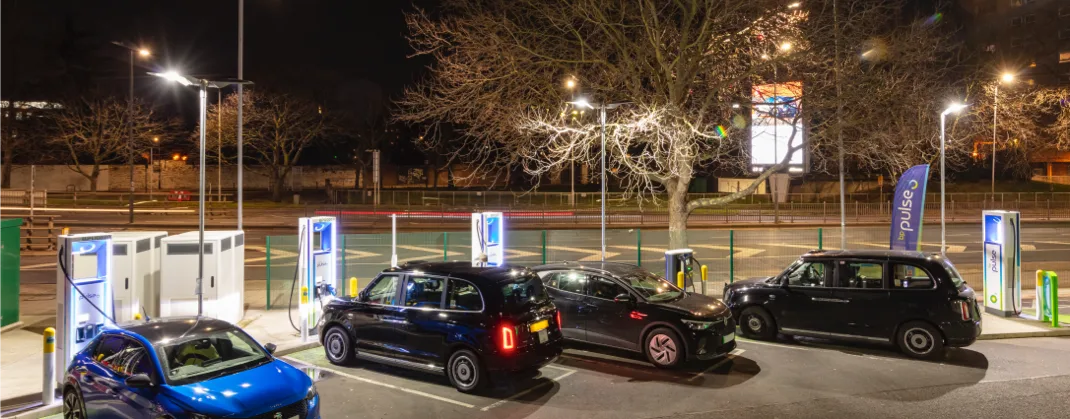
Electric vehicle fleet charging refers to the process of charging multiple electric vehicles simultaneously, often in a centralized location, to maintain a fleet’s operational readiness. Unlike individual EV charging, fleet charging involves managing and optimizing the charging of several vehicles simultaneously, making it crucial for commercial and public fleets.
Benefits of electric vehicle fleet charging
Cost savings
Transitioning to electric vehicles can result in substantial cost savings over time. Fleet operators can take advantage of lower electricity costs compared to conventional fuel prices. Additionally, off-peak charging rates can further reduce energy expenses. With efficient fleet charging management, organizations can optimize their energy consumption and minimize costs associated with vehicle operation.
Environmental impact
Electric vehicle fleet charging plays a crucial role in reducing carbon emissions and minimizing environmental impact. By replacing internal combustion engine vehicles with electric vehicles, fleets can significantly reduce greenhouse gas emissions, contributing to cleaner air and a healthier environment. When combined with renewable energy sources, such as solar or wind power, electric vehicle fleet charging can become even more sustainable and emission-free.
Energy resilience and independence
Electric vehicle fleet charging can offer energy resilience and independence to businesses. With on-site charging infrastructure, organizations are less dependent on external fuel sources and vulnerable to price fluctuations. This can provide greater control over energy costs and reduce the reliance on traditional fuel supply chains.
Government incentives and support
Many governments around the world are actively promoting electric vehicle adoption and providing incentives to businesses that switch to electric vehicles. These incentives may include financial incentives, tax credits, grants, and access to dedicated charging infrastructure. By embracing electric vehicle fleet charging, businesses can take advantage of these government initiatives, which can further offset the costs of transitioning to electric vehicles.
Future-proofing
The global transition towards sustainable transportation is inevitable. By adopting electric vehicle fleet charging early on, businesses can position themselves as leaders in the industry and stay ahead of evolving regulations and market demands. Future-proofing your fleet through electric vehicle adoption and charging infrastructure can provide a competitive advantage and ensure long-term sustainability.
Key considerations for electric vehicle fleet charging
Charging infrastructure planning
Assessing the charging needs of your electric vehicle fleet is the first step toward effective fleet charging. Consider factors such as the number of vehicles, daily mileage, charging time available, and future expansion plans. Work with charging infrastructure experts to design a scalable and efficient charging system. Installing an adequate charging infrastructure is crucial. Organizations must determine the charging capacity required, the number and type of charging stations, and the location that best suits their operational needs.
Charging locations
Identify optimal charging locations for your fleet based on the vehicles’ daily routes and operational requirements. Install charging stations strategically to minimize downtime and ensure accessibility.
Charging equipment
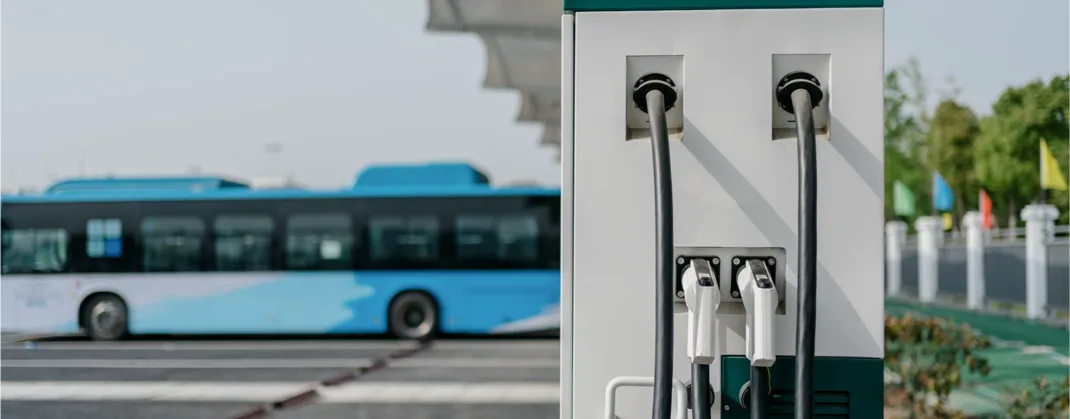
Choose charging equipment that aligns with your fleet’s needs. Factors to consider include charging power (AC or DC), charging speed, and compatibility with the vehicles in your fleet. High-powered DC fast chargers enable faster charging, reducing vehicle downtime.
Energy management and load balancing
Implement smart charging solutions that allow for efficient energy management and load balancing. These technologies optimize charging schedules, distribute energy resources intelligently, and prevent overloading of the electrical grid. By scheduling charging during off-peak hours or using load management strategies, fleet charging can be integrated seamlessly into the existing energy grid.
The future of electric vehicle fleet charging
Overall, the future of EV fleet charging will witness advancements in infrastructure, charging speeds, smart management systems, renewable energy integration, and innovative technologies.
Infrastructure expansion
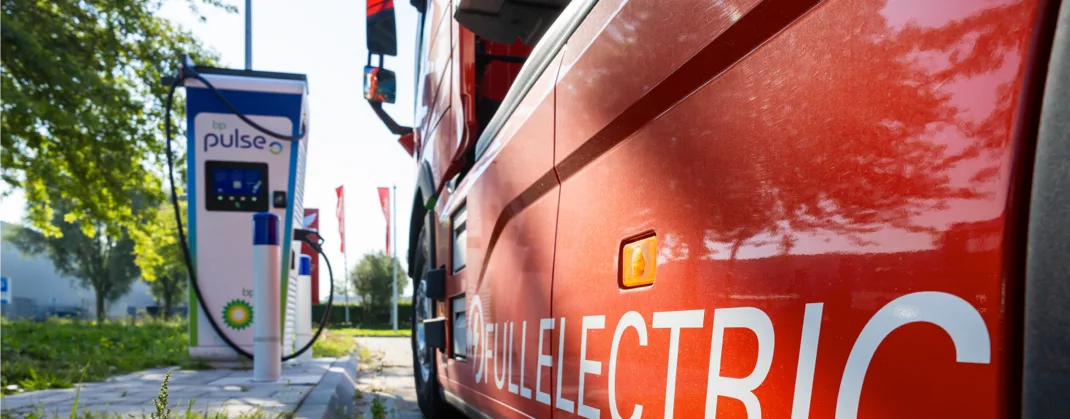
As the adoption of electric vehicles continues to increase, there will be a need for extensive charging infrastructure development. Fleet charging stations will become more common in public areas, commercial premises, and dedicated charging depots. This expansion will ensure that EV fleets have convenient access to charging facilities, enabling efficient operations.
High-power charging
Faster charging technologies, such as ultra-fast DC chargers, are expected to become more prevalent. These chargers will provide significantly higher power levels, reducing charging time for EV fleets. With rapid charging capabilities, fleet vehicles can spend less time idle and more time on the road, enhancing productivity.
Smart charging solutions
The integration of smart charging systems will be crucial for managing EV fleets effectively. These systems will enable fleet operators to optimize charging schedules, balancing energy demand, and load management. Additionally, advanced software platforms can provide fleet managers with real-time data on charging station availability, energy usage, and billing information.
Vehicle-to-Grid (V2G) technology
V2G technology allows EVs to not only draw power from the grid but also feed energy back into it. This capability opens up possibilities for bidirectional charging, where EVs can act as mobile energy storage units. Fleet vehicles can provide energy to the grid during peak demand periods or serve as backup power sources during emergencies. V2G integration can create revenue streams for fleet operators while contributing to grid stability.
Conclusion
By carefully planning your charging infrastructure, considering key factors, and implementing best practices, you can effectively manage the charging needs of your electric vehicle fleet. This not only reduces operational costs but also enhances your organization’s environmental commitment. Stay ahead of the curve and embrace the future of mobility with electric vehicle fleet charging.