What to know about EVs and hot weather
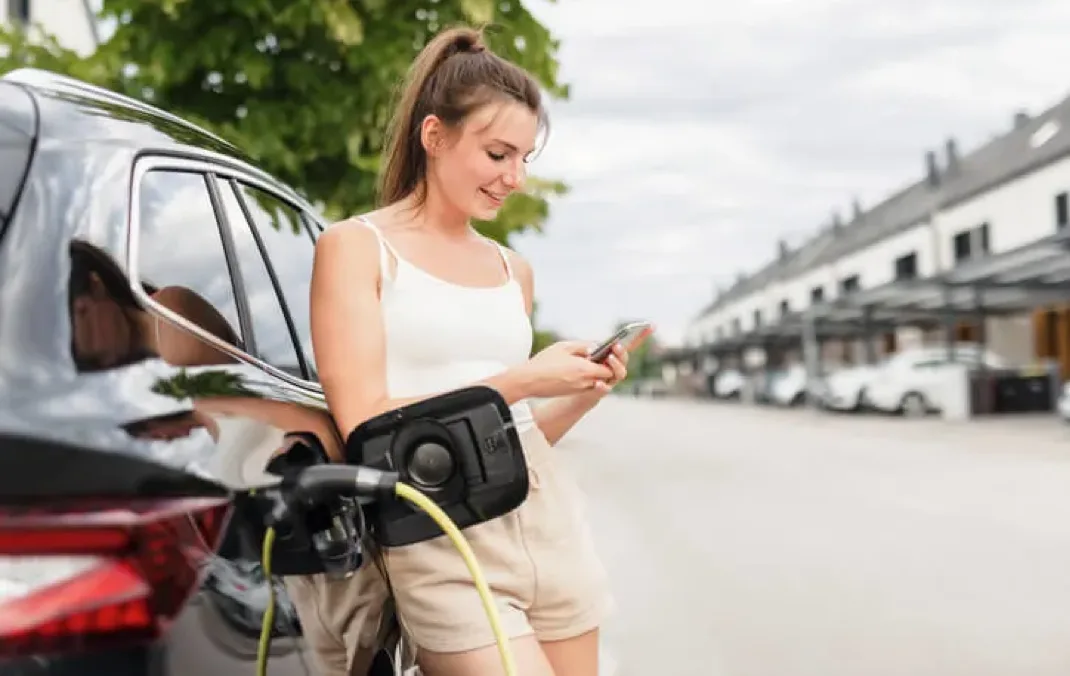
Find out about charging your EV with bp pulse
Eight great tips for electric car maintenance on hot days
Hooray for summer! While you’re topping up your sunscreen and making a mental note to stay out of the midday sun, when it comes to hot days, there are also some tips for responsible EV ownership that are good to know.
These summer care ideas for your EV can really pay off, with benefits ranging from peace of mind, battery longevity, and legitimate excuses for ice cream.
Let’s take a look.
1. Take an active interest in your battery temperature
There’s an optimal temperature for EV batteries when they can work at their best. A good rule of thumb for many EVs is to try to keep things within 60-80° degrees Fahrenheit, but double-check your manual for your specific make and model.
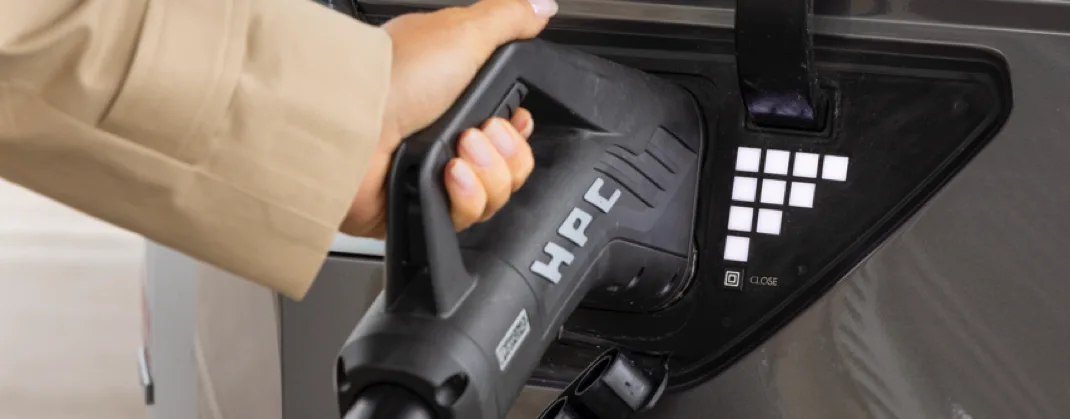
You may not have had to think about temperatures too much, especially if you’re going into your first summer with an EV. That's because most EVs have their own temperature control that keeps your battery at its optimal temperature to prevent the battery pack from overheating. Still, we’d always recommend being proactive and monitoring your temperature yourself during charging, or on long drives when the day is much hotter than usual.
2. Have a cool down schedule
Got a long summer drive ahead? Add in a little extra time to your journey to take a few cooling off breaks for your EV. That should keep your battery going nicely – and might be a good excuse to treat the kids to ice cream.

3. Be a little bit shady
If you can, try to park and charge in shaded areas. Some of our charging spots – like our largest Hub near Los Angeles International (LAX) – have all-weather canopies to keep you dry in the winter and covered in the summer. As a back-up, you could consider keeping a windscreen cover in your car so that even if there is no shade available, you can help keep your EV nice and cool.
4. Aim for a smooth drive
Heavy acceleration and sudden braking can create wear and tear on a vehicle. By braking gradually, taking corners smoothly, and generally aiming for smooth steady maneuvers, you can care for your EV and help your battery stay at the most constructive temperature.
5. Be air-con savvy
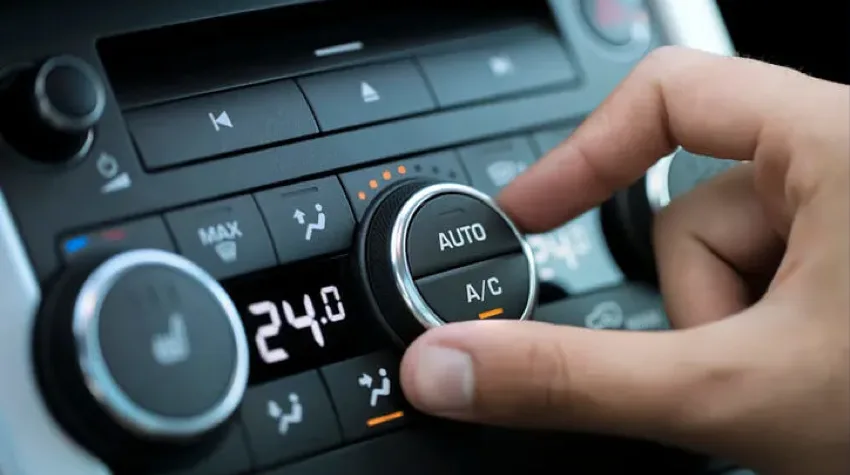
Remember that putting on air conditioning requires energy from your EV, which could decrease the range of your charge – how long it can travel on a single charge. Building in more regular charging breaks on hot days, when you know you’ll have the air con on, can keep you cool and range confident. Consider a service, too, if you haven’t done one for a while. Most manufacturers recommend getting air conditioning serviced every two years - your manual will be more specific.
6. Don’t forget your tires
Hot temperatures may cause tires to crack quicker. Heat can also cause air in tires to expand, which can affect their grip on hot days and give you slightly longer braking distances. Give them a good look, check your tire health and tread depth, and if in doubt, take your EV to a garage.
7. Pack water for yourself
It’s an obvious one, but bears repeating. Safety first and safety second, that’s our motto.
8. Have a read of your handbook for specific information
While they might not be as gripping as that hot new summer read you’ve earmarked for the beach, manuals are incredibly useful. Allocate yourself a little time to familiarize yourself with your manufacturer’s recommendations for hot weather driving, and your EV will thank you for it.
We hope these eight hot weather tips will keep you cool and confident on the road. And remember, for ice cream, iced coffee, and helpful charging, look out for bp pulse charging sites in your favorite summer destinations. You can find them on our free app.
This article is for general informational and educational purposes only. It is not intended as, and should not be construed as, professional, technical, mechanical, or other advice of any kind. Electric vehicle (EV) maintenance recommendations may vary based on manufacturer specifications, vehicle model, geographic conditions, and individual usage patterns. Readers should consult their vehicle manufacturer’s owner’s manual and seek advice from qualified automotive professionals or authorized service providers before performing any maintenance, repairs, or modifications.