How to overcome EV range anxiety
Find out about charging your EV with bp pulse
Electric vehicles (EVs) have revolutionized the way we think about transportation, but EV owners can still experience range anxiety with the new technology.
This guide aims to provide practical tips to help you overcome EV range anxiety and enjoy your driving experience.
What is range anxiety?
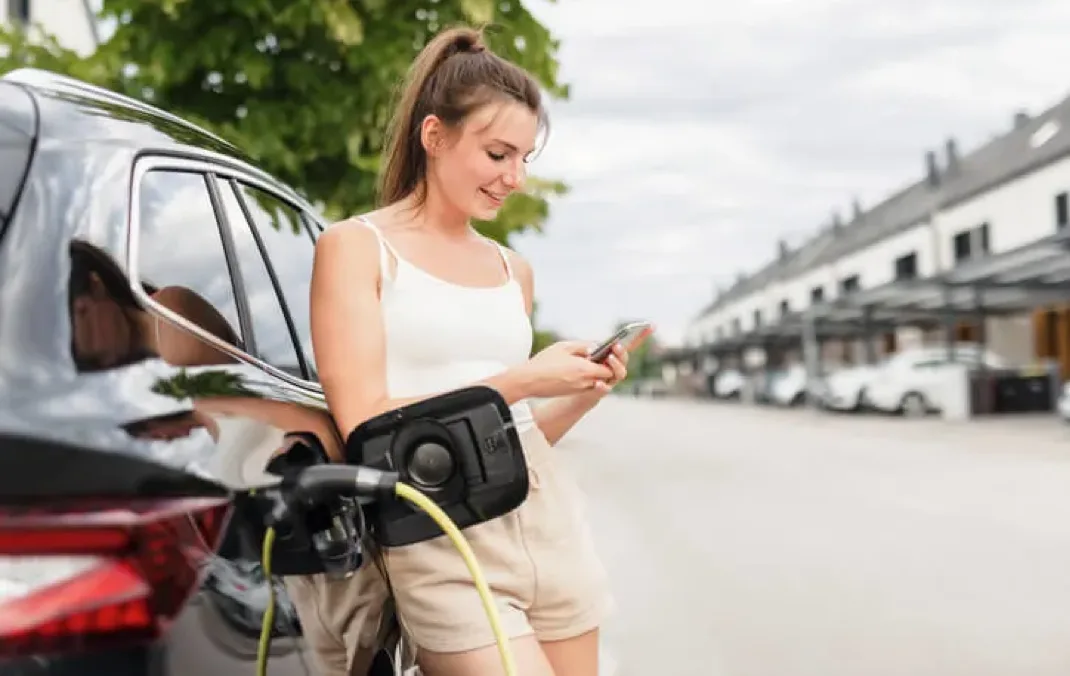
Range anxiety in the electric vehicle world describes the fear or anxiety around running out of electric power before arriving at your destination. Although typically present in conversations about EVs, range anxiety can also be experienced while operating an internal combustion engine (ICE) vehicle—that feeling when you let your gas tank drop a little too close to “E.” Much like managing a gas tank responsibly, EV range anxiety can be avoided with proper planning.
Understanding your EV's range
The first step in managing range anxiety is to familiarize yourself with your EV’s range capabilities. Modern EVs come with varying ranges, typically between 150 to 400 miles on a full charge. Understanding your specific model’s range and how factors like driving habits, weather conditions, and terrain affect it can help you plan better and reduce anxiety. Check out some of our other blogs on operating and driving your EV.
Plan your routes wisely
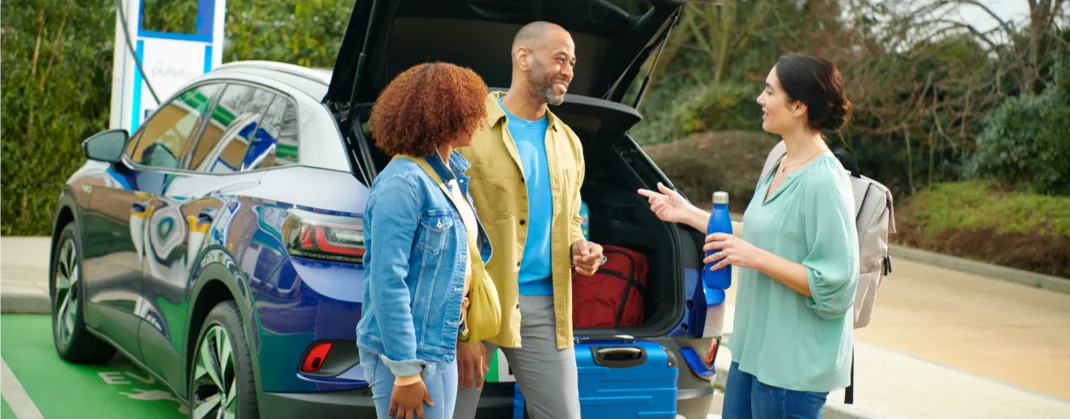
Effective route planning is crucial for EV owners, especially for longer trips. Take advantage of EV-specific navigation apps or built-in features in your vehicle that factor in charging stations along your route. Plan your stops strategically, aiming to recharge when you’re at around 20-30% battery capacity to avoid running low, and familiarize yourself with your vehicle’s time to charge estimates.
Take advantage of charging networks
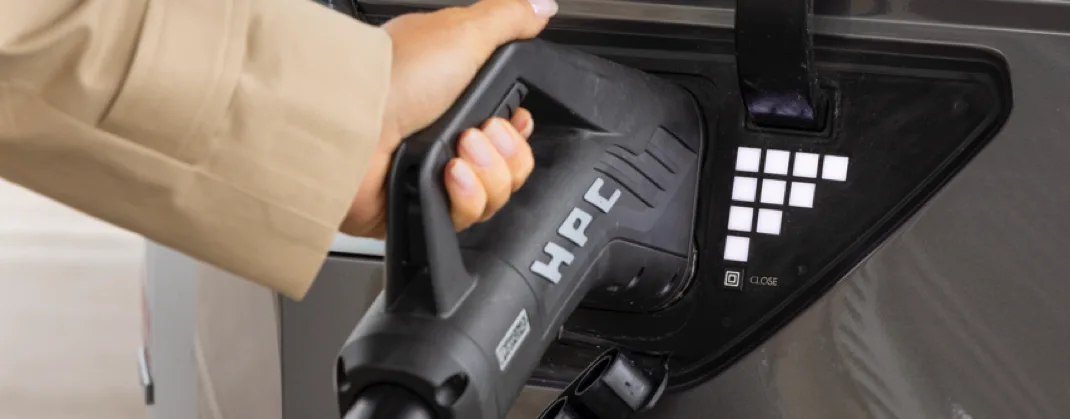
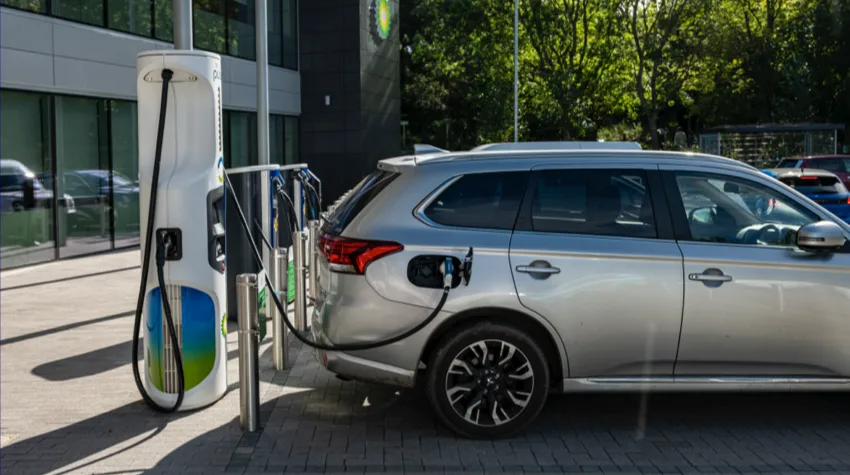
One of the most significant advancements in EV infrastructure is the growing availability of charging stations. Research and familiarize yourself with charging networks in your area and along your common routes. Networks like bp pulse offer DC fast charging options that can significantly reduce charging times compared to AC outlets. Download the bp pulse app to find public charging stations while on the go.
Monitor your range and battery health
Most EVs come equipped with advanced features that monitor battery life and estimate range based on current conditions. Pay attention to these indicators and learn how to interpret them to plan your trips effectively. Keep your EV’s battery in good health by following manufacturer recommendations for charging and maintenance.
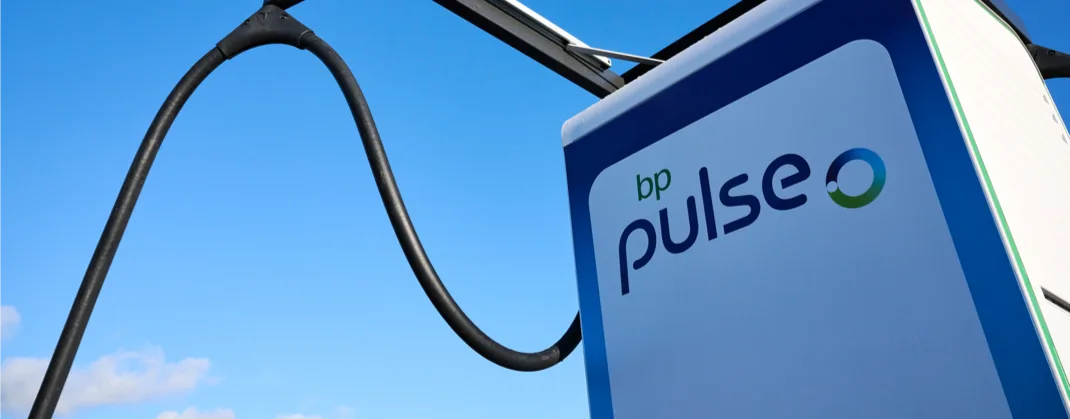
Figure out what works best for you
Depending on your distance from public charging stations, you may consider other charging options like workplace or home charging. Alternatively, you may develop standard practices when it comes to charging your EV with your lifestyle. You may not need to charge when you’re at 40%, but if you’re near a charging station, you might want to charge up to 80% to save some time later. Trial and error in customizing your charging habits to your lifestyle is key.
With the right knowledge and preparation, EV range anxiety can be easily managed, allowing you to enjoy the benefits of driving and operating an EV. By understanding your vehicle’s capabilities, planning your routes effectively, and utilizing charging infrastructure, you can confidently embrace the future of electric transportation.
By implementing this strategy, you can help your EV continue to perform optimally.