Getting the most out of your EV: Top tips for driving an EV
Find out about charging your EV with bp pulse
So, you’ve recently decided to make the transition to an electric vehicle (EV) and want to get the most out of your new ride
Get ready to experience a whole new world of driving. But before you hit the road, here’s everything you need to know to make your voyage smooth and exhilarating.
Charge before you go
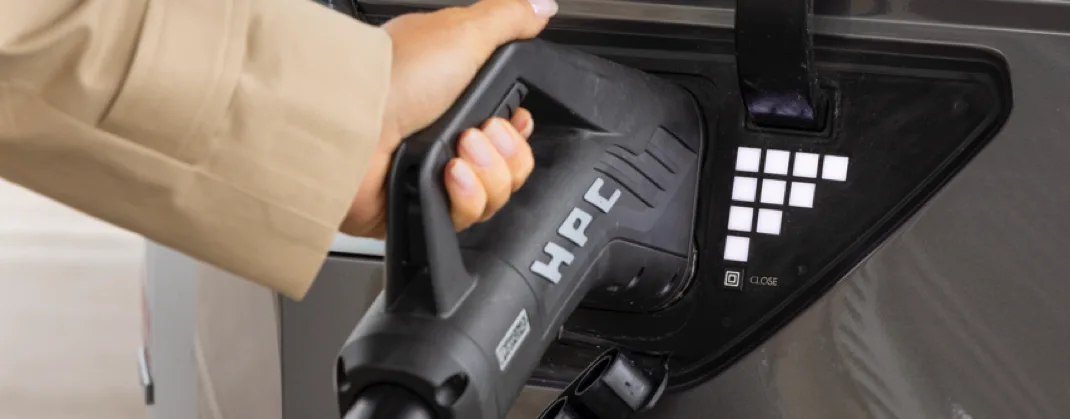
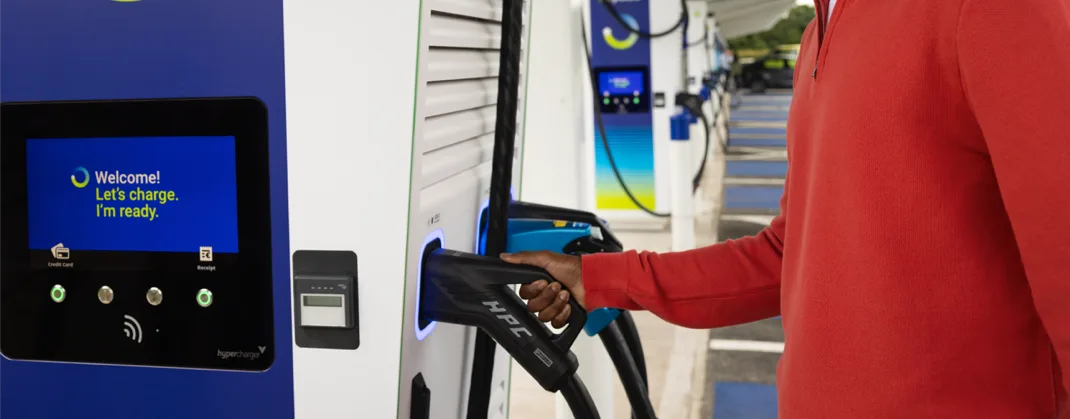
Before you embark on your journey, always check the battery on your electric vehicle. If the battery charge is low, be sure to charge so you have enough range to comfortably reach your destination. To find a public EV charging station, simply use the bp pulse map, or use Google Maps to find a station nearest you.

Your car is quieter
The traditional roar of a combustion engine is absent in EVs, replaced by the quiet hum of electric motors. This difference in noise levels creates a more serene driving experience for passengers and reduces overall noise pollution in urban environments.
Although largely a benefit, be mindful when operating an EV just how quiet you are, so you can consider pedestrian safety. Pedestrians may not hear you approach as they would in an internal combustion engine (ICE) so be mindful of those you share the road with.
Lightning speed
EVs are often known to accelerate more quickly than their ICE counterparts. This is primarily due to the unique characteristics of electric motors, which deliver instant torque. Unlike traditional combustion engines, which require time to build up momentum through gear shifting, electric motors provide maximum force instantaneously. As a result, EVs can accelerate rapidly from a standstill, offering drivers a thrilling and responsive driving experience.
Be mindful of the power of your EV, especially if you’re not accustomed to driving electric vehicles. Be sure to familiarize yourself with your vehicle’s acceleration characteristics and practice safe driving habits, particularly when accelerating from a standstill or merging onto highways.

Enjoy the regenerative braking
Regenerative braking is a game-changer in the world of EVs. When you lift your foot off the accelerator, the vehicle slows down while simultaneously charging the battery. Practice using regenerative braking to maximize efficiency and range. At first it can feel a little strange – but after a while, you’ll never want to go back!
Catch your balance
In an electric vehicle, the center of gravity is typically located lower in the vehicle compared to internal combustion engine vehicles. This is because EVs typically have their heavy battery packs mounted low in the chassis, often beneath the passenger compartment or in the floor of the vehicle. You may notice a greater sense of stability on the road, and it can feel slightly different to an ICE.
Extra breathing room
Many EVs feature a front trunk, or “frunk,” due to the absence of an engine in the front of the vehicle. This additional storage space in the front cabin can be quite generous in some EV models, providing extra room for luggage, groceries, or other items.
Congratulations, you’ve officially joined the ranks of electric vehicle enthusiasts! With these tips in mind, you’re ready to embark on your electrifying journey with confidence and excitement. So, buckle up, plug in, and get ready to experience the future of driving firsthand!