Maximizing your EV's battery life: Why many drivers choose to only charge to 80%
Find out about charging your EV with bp pulse
In the world of electric vehicles (EVs), understanding how to best care for your battery is key to maximizing its lifespan and maintaining optimal performance.
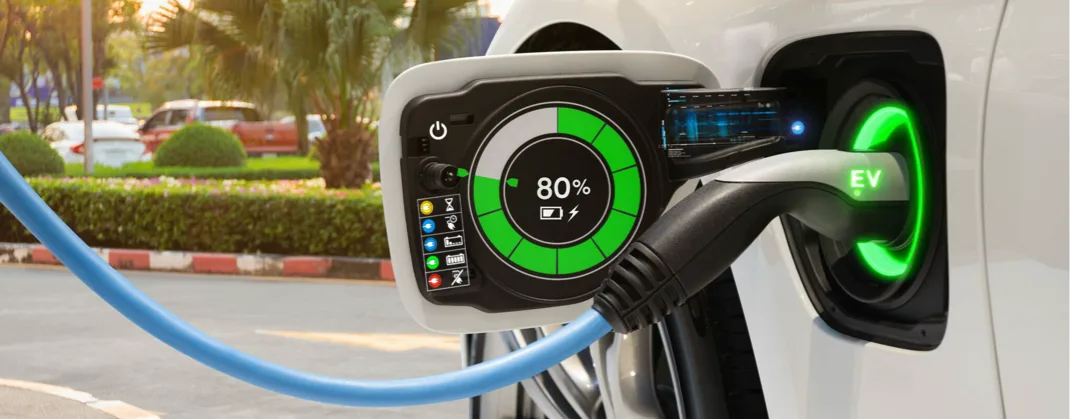
One common practice gaining traction among EV owners is charging their vehicles only to 80% of the battery’s capacity, rather than a full 100%. While it might seem counterintuitive to not utilize the full range of your EV’s battery, there are compelling reasons behind this strategy that could benefit both your vehicle’s longevity and your overall driving experience.
Reduced battery degradation
Most batteries in electric vehicles (and our cell phones and laptops) are lithium-ion batteries because they’re lightweight and recharge well. But just like phones, the cycle of charging, depleting battery, then charging up again can eventually cause them to degrade. Charging your EV up to 80% can help your vehicle’s battery last longer because the battery finds it easier to charge when it is slightly empty rather than nearly full. Therefore, causing less stress within its charging cycle.
Optimal daily range
For most daily driving needs, charging to 80% is more than sufficient to cover typical distances. This approach still gives you a comfortable buffer while minimizing the extent of battery cycling. If you anticipate needing additional range for a longer trip, you can charge to a higher level closer to the time of departure, maximizing the efficiency and lifespan benefits of partial charging.
Regenerative braking efficiency
Many EVs utilize regenerative braking to recharge the battery when decelerating or braking. This feature is most effective when the battery is not at full capacity. By maintaining a charge level below 100%, you can take advantage of regenerative braking more frequently during your driving, improving overall efficiency and potentially extending your driving range.
Faster charging sessions
In addition to time saved from waiting for your EV to charge from 80% to 100%, electric vehicles typically charge at a faster rate through the first 80% of the battery, with the charging rate slowing as it passes 80%. This concept is referred to as the EV charging curve. If you determine that charging your EV to 80% is sufficient for your daily use, you can avoid that slower rate of charge at the end.
Charging occasionally to 100%
As a driver of any vehicle, including EVs, you know that not every drive is the same. Although daily use may be best served by charging to 80%, there will of course be times that you are taking a longer road trip or will be further away from access to EV charging. Charging to the full 100% to access the vehicle’s full range potential is necessary at times and for those instances you don’t need to worry. Overall, it’s best practice to charge to 80% for your overall battery health.
To sum up

While charging your EV to 80% instead of 100% may require a slight adjustment to your charging habits, the benefits to your vehicle’s battery longevity and overall efficiency are convincing. By implementing this strategy, you can help ensure that your EV continues to perform optimally.
By implementing this strategy, you can help your EV continue to perform optimally.