Are there specialist driving techniques for an EV?
Find your nearest available EV charger
A few, yes. Get the lowdown here
If you’ve never driven an electric car before, it’s totally normal to have a few questions about them. One thing people often ask about is the different driving quirks or techniques that come with EVs. There are a few. They’re not overly technical or complicated, and it’s likely you’ll learn them at your own pace. Still, it’s always nice to get ahead of the game, right?
Rest assured that many aspects of EV driving will still feel familiar to you if you started off driving a petrol or diesel car. But there are also a few differences. Let’s take a look at the features which are unique to electric cars – and the driving techniques and awareness that will come in handy.
1. All electric vehicles are automatic
Automatics don’t have gears although depending on the vehicle make or model they could have reverse or drive options. So no gear changing for you – something that might take a bit of getting used to if you’ve typically driven manual.
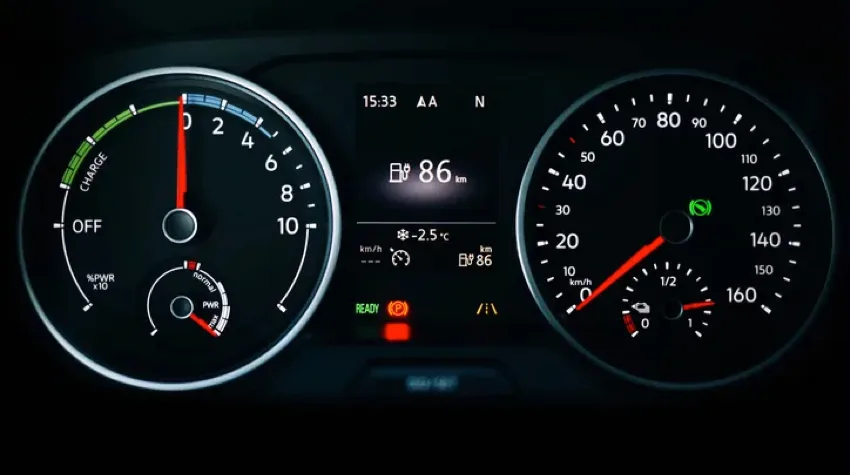
2. Their dashboards may have new icons
Such as a ‘Ready to drive’ light that indicates the car is switched on and ready to be used. Why? EVs are much quieter than petrol or diesel cars, whose engine sound will typically alert you that they’re running.
You could also see different lights to indicate when the charging cable is plugged in and to indicate battery charge status and health. (Your manual will help you decode your lights.)Is this a driving technique? Reading your dashboard might be something you do already – you'll just be looking for different things. And in time, it could come automatically to you.
3. Braking may feel different
Many EVs come with something called regenerative braking, or ‘regen braking’. This is a form of braking which takes the kinetic energy caused by the momentum of stopping and converts some of it back into charge for your vehicle. Clever, right?
Regen braking can feel like someone putting the brake down as soon as you take your foot off the accelerator. It can take a bit of getting used to. One technique you might want to try is easing your foot off the accelerator gradually, to make the regen braking feel seamless.
4. Expect an EV to accelerate quickly, and be quieter than a petrol or diesel car
Electric motors can provide full torque – the force that provides acceleration – from 0 km, resulting in a much faster acceleration than you might be used to – even more so if your EV has a sports mode.
You can also expect an electric vehicle to be quieter – with no engine or combustion, there’s much less sound. This means pedestrians, including children, may not hear you coming, so take extra care around residential areas.
5. You can switch your driving between different modes
Which could see you switching between faster, nippier driving with more acceleration (in sports mode) to customisable modes, where you can personally adjust your throttle response and that regenerative braking feel. As with all things EV, the more time you invest in learning your electric car inside out, the more responsive it can feel to your own driving preferences and techniques. Dig into the different sorts of modes here.
Now you know some electric vehicle driving techniques, so if you rent, lease or buy an EV later down the line, you’ll already know what to expect.
Remember that we’re always here to support your EV journey both at home and on the road. Finally, do bear in mind that you can get specialist electric vehicle driving lessons from driving instructors, if you think that would benefit you.