Four factors that impact charging power
From battery temperature to charger type – a handy guide to factors to look out for
“Why aren’t I getting the power it says on the charger?”
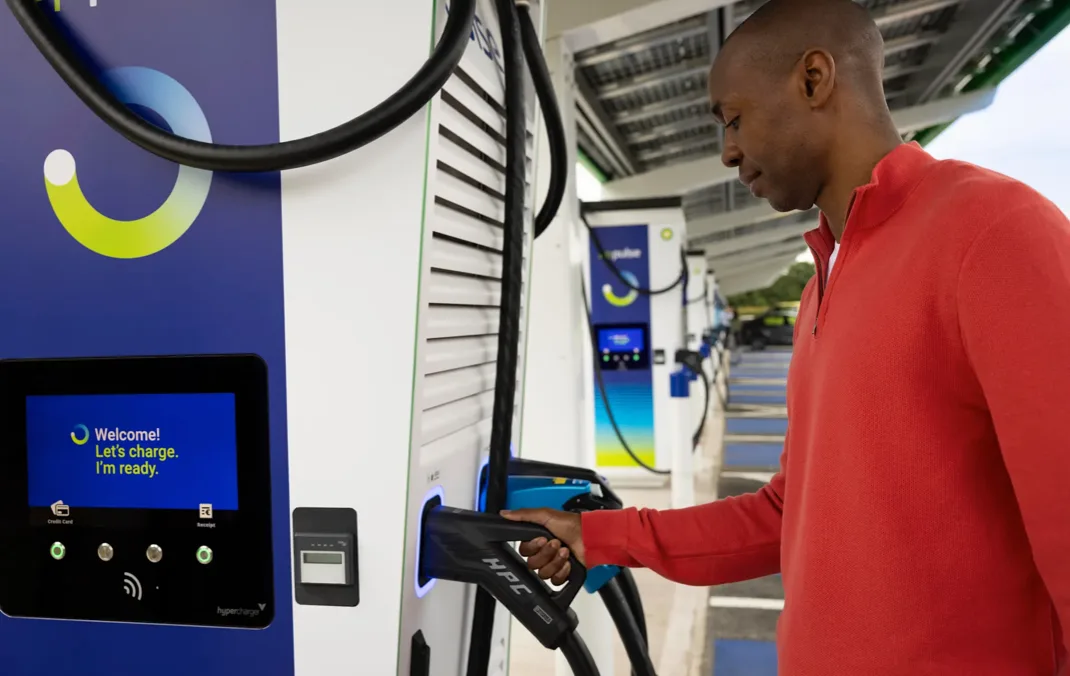
When you see a charging power on an EV charger – for example, 50kW or 150kW – it’s important to know that the number you see is not a guaranteed power, but the maximum power the charger can deliver. If you find you can’t get the full power, don’t worry – there can be a number of reasons why. We’ll explain them here.
1. Your vehicle’s charging system
Different EV models are able to support different rates of charging. The lower your car’s maximum rate, the slower it will charge. So, for example, you can use a 150kW charger, but your car may not be designed to accept the full 150kW charging power. If in doubt, consult your vehicle manual to check your maximum charge power. Older EV batteries could also lose some charging ability over time, which may impact charging power.
2. Your battery’s temperature
If it’s very hot or very cold, your car battery will charge more slowly than it will at a temperature of, say, 20 degrees celsius, which is when most EVs charge at their best. You may be able to counteract some of the impact of cold weather if you have an electric car with ‘battery pre-conditioning’ - a system to warm up the EV battery and help it charge faster.
3. If your EV battery is nearly empty - or nearly full
Car batteries charge more quickly when their charge level is low - but take longer to charge when they’re more than around 80% full, to protect the battery. That’s why it’s often recommended that you charge from 20% to 80% capacity, rather than trying to charge to 100%. This phenomenon is known as a ‘charging curve’ - find out more in our explainer here.
4. How busy the charging site is
If lots of electric cars start charging at the same time, some sites will temporarily lower the charging speed across every charger to manage the energy they receive from the national grid. This is known as load management, or load balancing. Its aim is to make sure every charger keeps working, but it can slow down the charging rates for a while. Although most of the time this won’t limit the power you receive, you might experience a lower peak speed if the site is very busy.
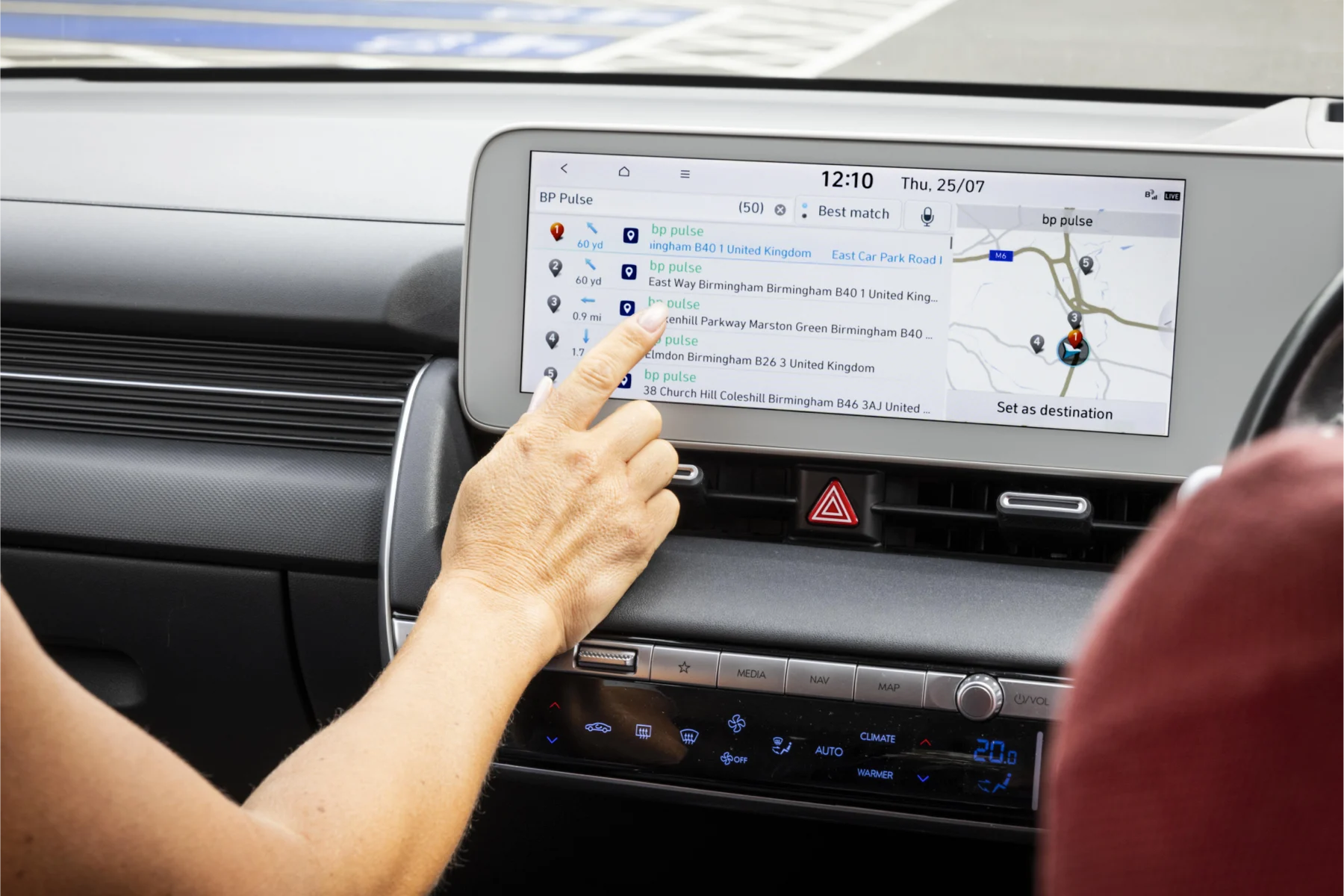
Similarly, when two EVs share a single charger, the speed of charge can also drop as power is shared across each vehicle. If you have a choice of charging bays, it’s best to leave a gap between cars and select a charger that’s not in use. You can use the bp pulse app to find nearby charging points, and check whether they’re in use.
Think a charger isn’t offering the right power? We monitor all our bp pulse chargers, but sometimes faults do occur. If you think a charger isn’t working as effectively as it should please call our customer care team on to report the issue.