How much does it cost to charge an electric car?
The amount you pay can vary according to a range of factors, including where you charge, and your vehicle type
New to electric vehicles (EV)? Or thinking about making the switch? One common question is how much it will cost to charge an electric vehicle—both at home, or on the road. While costs will ultimately be determined by your chosen electricity provider, the selected charging point, type of vehicle, usage and so on, it can be helpful to gauge what costs might look like when charging in different locations.
How much does it cost to charge an EV at a charging station?
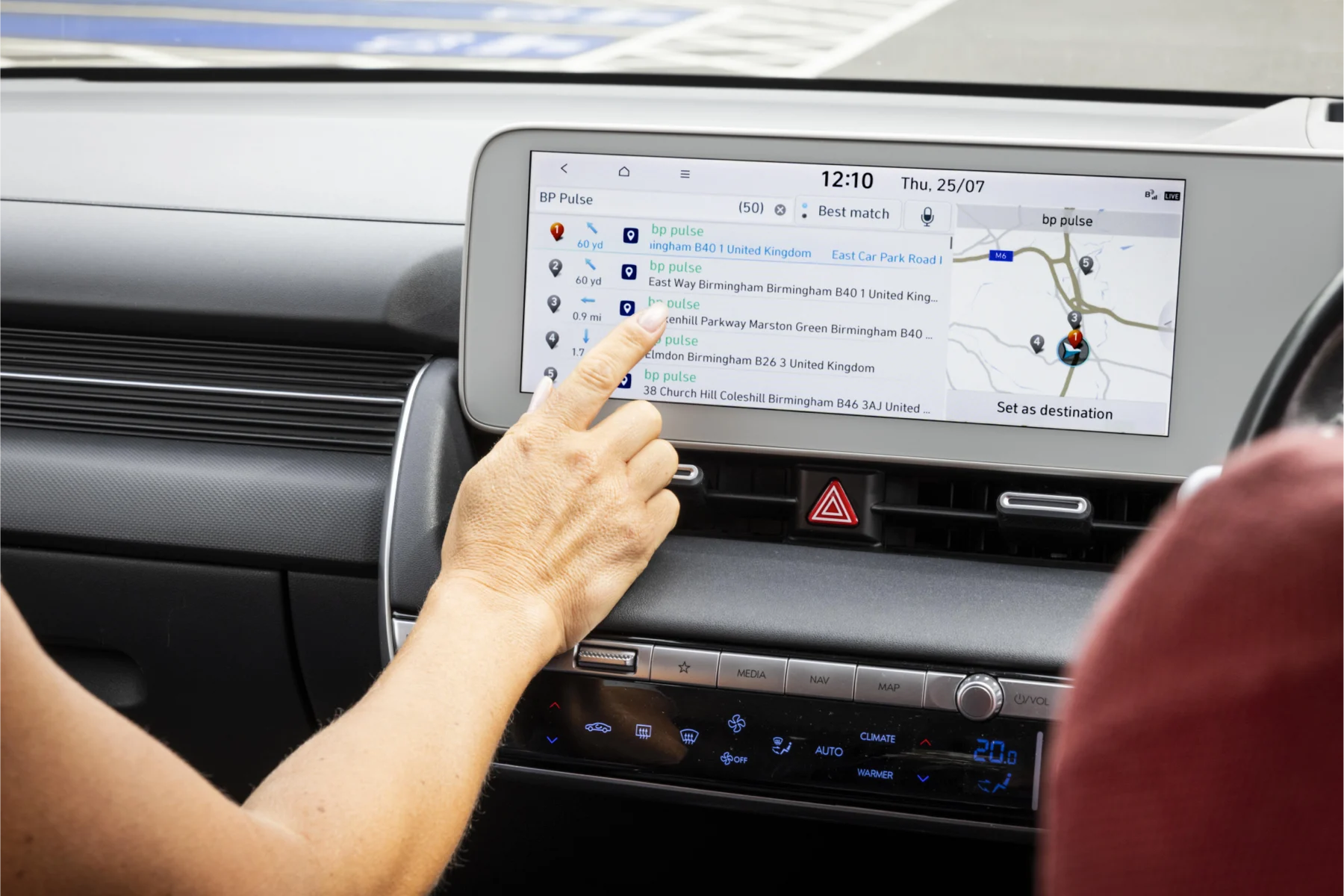
Charging on the go varies in price, depending on a variety of factors, such as your preferred charging method, or charging provider. Charging with the bp pulse on-the-go network gives you access to one of the UK’s largest charging networks, including rapid and ultra-fast EV charging points. Drivers who use the bp pulse network can choose how to pay, with four options available:
Subscribers: access our lowest on-the-go prices when you download the bp pulse app, register, and subscribe. A full bp pulse subscription costs £7.85 inc. VAT per month, and gives you access to our lowest on-the-go charging rates. Subscribers pay £0.69/kWh when using our DC150kW charging points, £0.63/kWh when using our AC43kW or DC50kW charging points, or £0.44/kWh when charging with our AC7kW charging points. Plus, when you subscribe, you'll receive a handy bp pulse card, to start and end charges, in addition to getting your first month's subscription fee for free.*. Find out more about full membership or see full terms and conditions.
Pay as you go: alternatively, download the bp pulse app and access our network using pay-as-you-go. Simply add a minimum of £5 credit to your account to start charging. You can then top up when you choose. Pay-as-you-go rates are: £0.87/kWh when using our DC150kW charging points, £0.83/kWh when using our AC43kW or DC50kW charging points, or £0.65/kWh when charging with our AC7kW charging points
Contactless: charging with our 50kW or 150kW units? You can pay with Apple Pay, Google Pay, or via contactless bank card. Contactless rates are £0.89/kWh when using our DC150kW charging points or £0.85/kWh when using our AC43kW or DC50kW charging points. Contactless isn't available on our 7kW charging points.
Pay online: for a completely anonymous charge, click here to use our live map to find a charger. Guest rates are: £0.89/kWh when using our DC150kW charging points, £0.85/kWh when using our AC43kW or DC50kW charging points, or £0.65/kWh when charging with our AC7kW charging points.
bp pulse pricing table**
Tariff (£/kWh) | Subscribers | Pay as you go | Contactless / Pay online |
|---|---|---|---|
AC7kW | £0.44 | £0.65 | £0.65 |
Rapid (AC 43kW / DC 50kW) | £0.63 | £0.83 | £0.85 |
Ultra-fast (DC 150 kW+) | £0.69 | £0.87 | £0.89 |
How much does it cost to charge an electric vehicle at home?
The costs of charging an EV in a private property (e.g., at home) varies, depending on factors such as your energy provider and tariffs, vehicle battery size and capacity, type of home charge in place and so on. According to a government policy paper on energy pricing, the typical household in the UK paying direct debit has unit rates for electricity around 34p per kWh. The average EV battery capacity in the UK is around 40kWh. At average unit rates, charging a vehicle with this battery capacity could cost around £10.88 (based on charging to 80% of battery capacity, which most manufacturers recommend for daily charging to extend the life of a battery).
However, some cars have much bigger battery capacity, and a full charge will, therefore, be more expensive. Fully charging a car with 100kWh capacity, for example, could cost around £27.20 at average unit rates. Tariffs can vary, and some electricity providers might include variable tariffs, such as cheaper charging at less busy times of the day. The figures here are merely an example of potential costs; you should consult your electricity provider to determine prices for you.
Can you charge an electric car for free?
It may be possible to access EV charging for free at some locations. Some supermarkets, including Sainsbury’s, Aldi and Lidl and shopping centres offer EV charging for free but this may be available to customers only. To find free charging locations, head to our live map and click the filter button in the top right hand corner.
Workplaces are increasingly installing charging points that can be used by employees throughout the working day, and depending on your employer, there may or may not be costs associated with these chargers. Presently, there is a UK government grant available called the Workplace Charging Scheme to encourage workplaces - including charities and public sector organisations - to install charging infrastructure to support employees. The funding can be applied for online and is awarded in the form of vouchers.
The cost of charging an EV will vary depending on various factors such as the vehicle battery size, energy provider, tariffs, and location. It is worth exploring the different options available and checking with your energy provider to optimise your EV charging experience.
* When you download the bp pulse app and register and upgrade to a full bp pulse membership subscription (£7.85 inc VAT per month), we’ll give you your first month’s subscription free. Further terms and conditions apply
** Prices in the table above apply to the bp pulse owned network when payments are made directly with a bp pulse charge card, contactless payment or using the bp pulse app. - Charging with a fast 7kW charger? Prices can vary across sites so check prices on the go using the live map or bp pulse app. If not shown see our list of chargers that are not shown on the live map or the app. - Charging with a rapid 43kW / 50kW or ultra-fast 150kW charger? Most charging is at the standard rate, however you can check prices on the live map or bp pulse app, or if not shown see our list of chargers that are not shown on the live map or the app. - When paying by Contactless, your bank may reserve a 'pre-authorisation' fee to check there's enough money in your account for the transaction. Once this check is passed, your bank should return the difference between the holding fee and the charging cost.