Seven questions: AC vs. DC charging
A guide to the two charging types, and what they mean for electric vehicle users
While both AC and DC currents can help drivers to power up and get on the road, there are differences between them—with DC charging typically providing a faster charge.
If you’ve made the switch to an electric vehicle (EV)—or are considering it—you might have heard people talk about ‘AC’ and ‘DC’ charging. But is there a difference? And what do you need to know?
Put simply, AC and DC are two different types of electric current. AC stands for ‘alternating current’, while DC is short for ‘direct current’. While both AC and DC currents can help drivers to power up and get on the road, there are differences between them—with DC charging typically providing a faster charge. Below, we answer 7 questions for EV drivers.
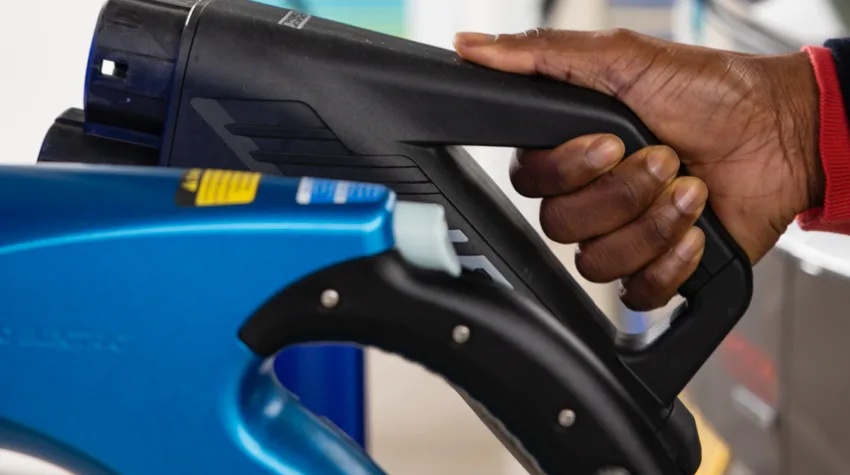
How do EV batteries store energy?
While both AC and DC charging stations can be used to charge an EV, an EV’s battery will only ever store DC energy.
So, how is it possible to charge an EV using AC?
While EV batteries store DC energy, EV drivers can still use an AC charging point to power up and get on the move. That’s because a converter in the car will convert AC electricity into DC—allowing it to be stored into the battery.
Does that make AC charging less efficient?
Because AC energy has to be converted into DC to be stored in an EV battery, AC charging can be less rapid than DC charging. If you’re planning a journey, it might be helpful to consider whether you’ll be using AC or DC charging to make sure you’ve factored in time to recharge.
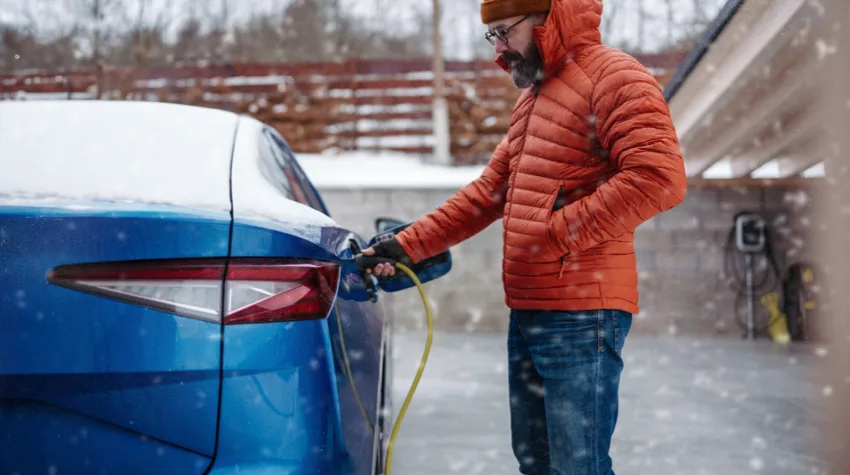
Where is AC charging commonly used?
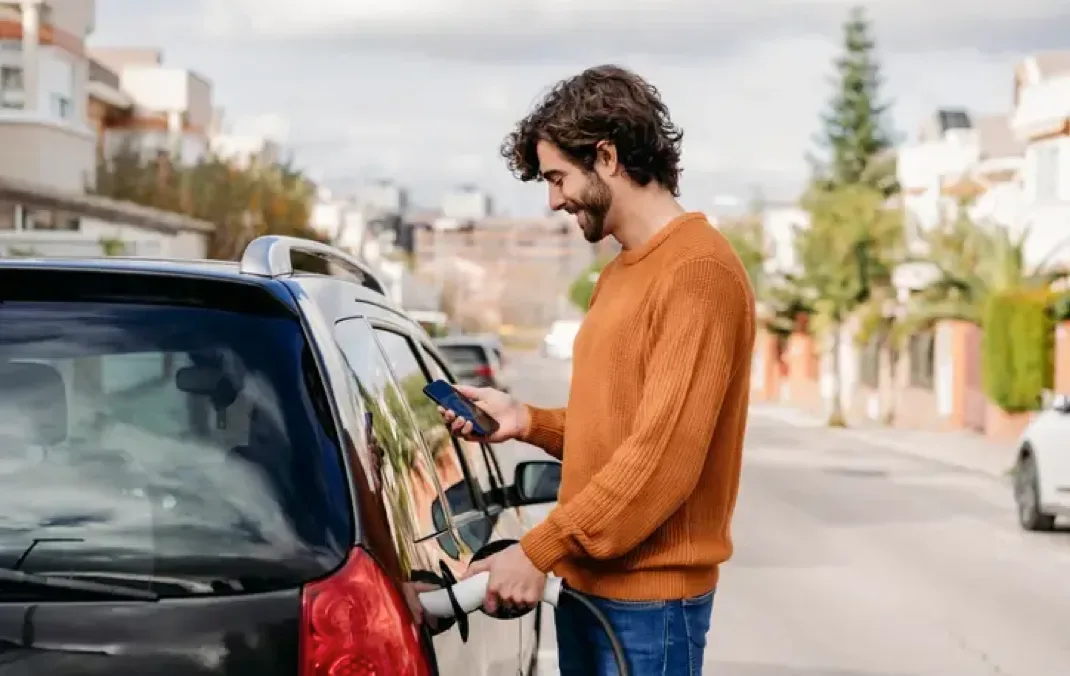
Electricity at home is often provided using alternating current, at a lower speed (sometimes 7kW). When using a home charger, power typically travels through a socket to a converter in the car. This converts that energy into DC to store in the vehicle’s battery.
What should I know about DC charging?
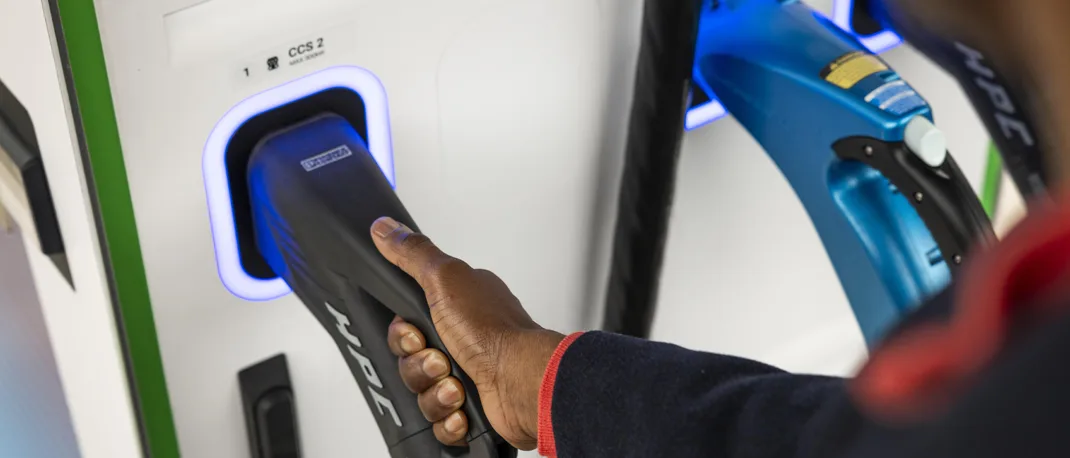
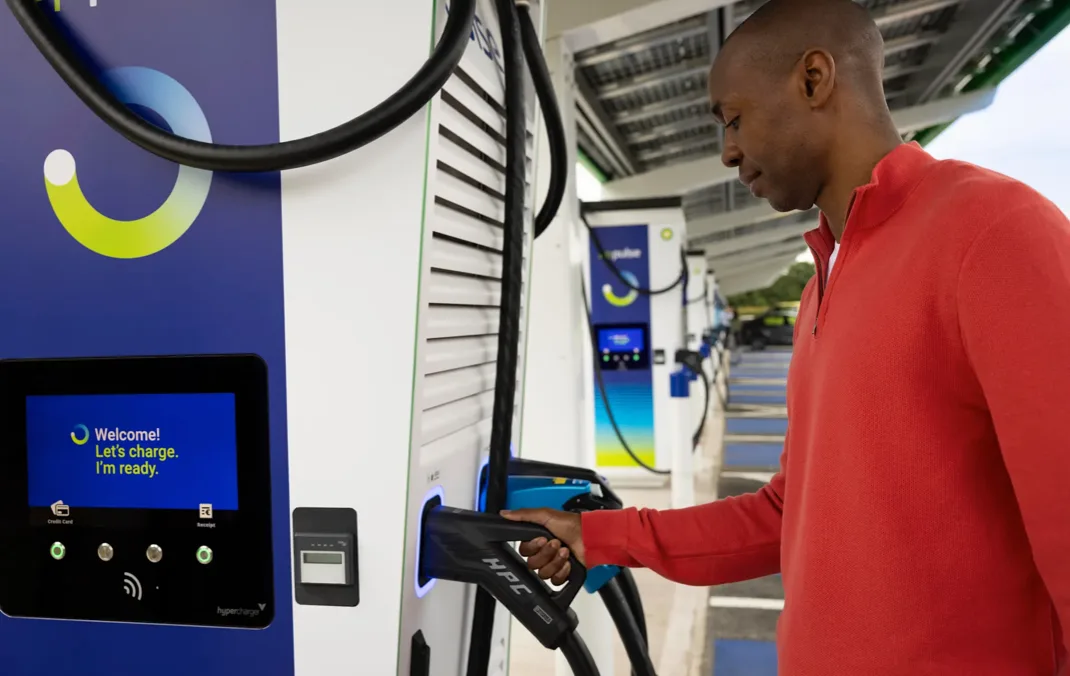
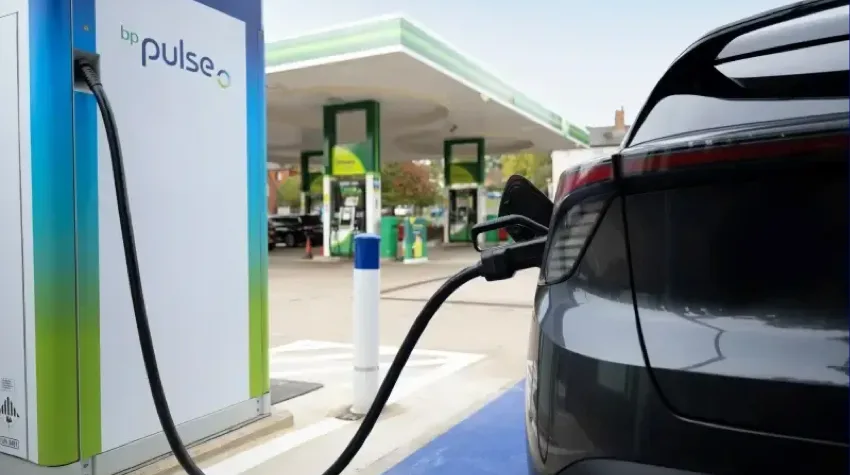
If you’re powering up with rapid or ultra-fast charging, the charging infrastructure you’re using will be supplying energy to your EV in DC. This means the energy does not need to be converted and can go straight into the battery.
So, is DC charging always faster?
Because the energy does not need to be converted, DC charging helps to allow for higher speed charging. Charging speeds, however, will vary according to multiple factors, including your EV make and model, and the charger you’re using.
Where can I find DC chargers?
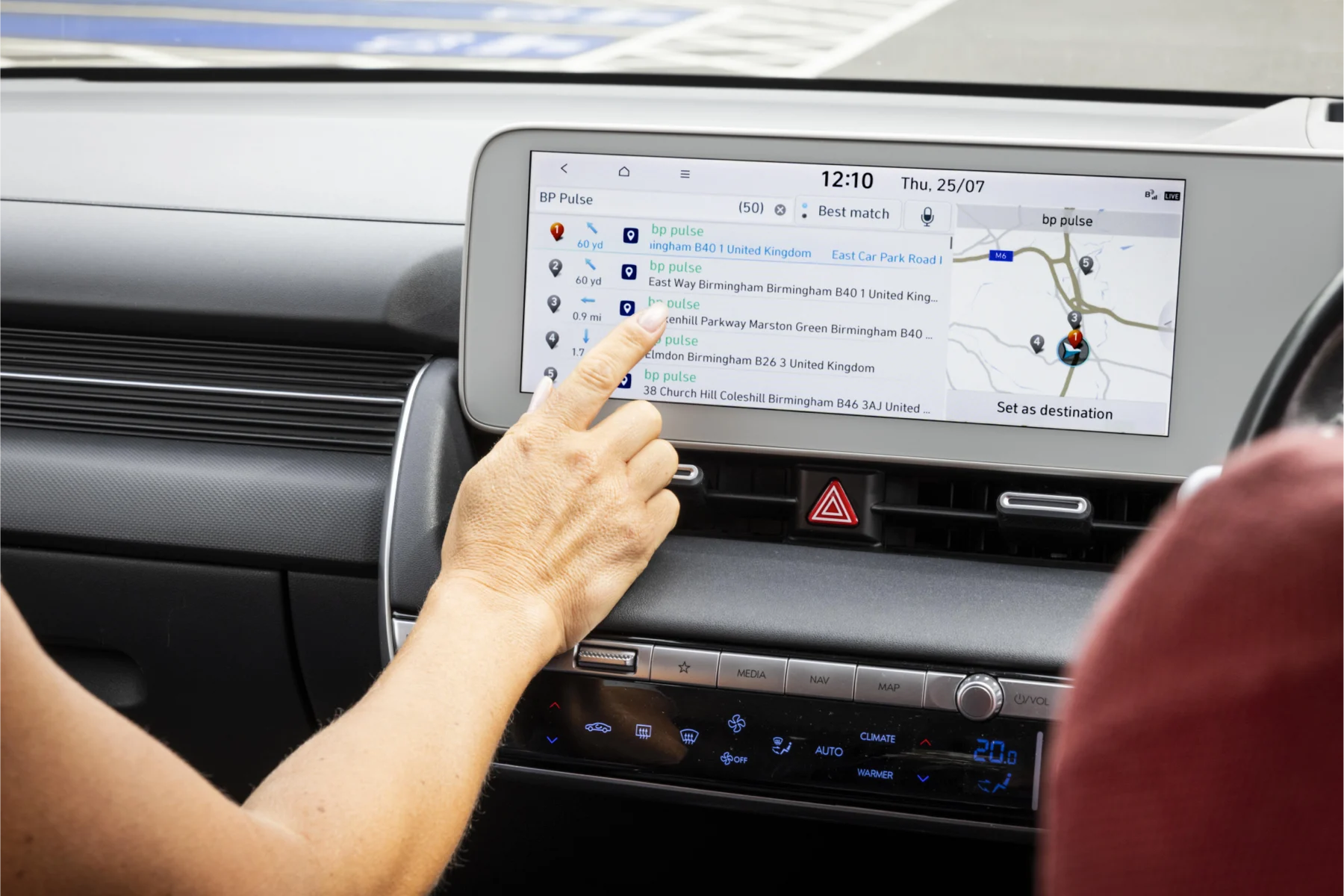
The bp pulse on-the-go network includes more than 8,750 chargers across the UK – including over 3,200 rapid and ultra-fast charging point. Find a charger near you using our network map, and filter by connector speeds, or find out more about powering up while on the move.