An introduction to EV charging cables
From tethered, to untethered, to different lengths – we share a beginner’s guide
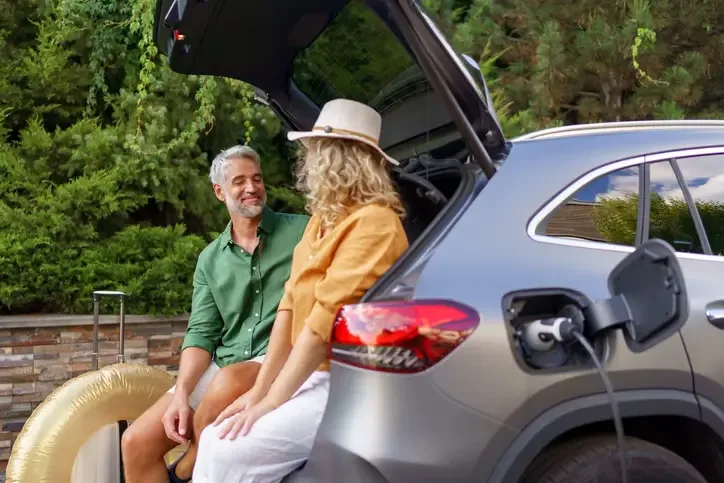
Understanding the different types of charging cables available is crucial for EV drivers. Tethered cables offer convenience, while untethered cables provide greater flexibility. Here, we provide some tips to orientate those new to EV, or making the switch.
What are the most common types of electric vehicle charging cables?
There are two core cable types used for EV charging: tethered and untethered. Tethered cables are fixed to the charging point, making them more convenient for everyday use.
Untethered cables, on the other hand, require the driver to carry their own cable and plug it into the charging point. Untethered cables can be transported and used with any compatible charging point.
There are three central aspects to consider when choosing a cable: the plug, the length of cable and the connector (the part that plugs into the car). A Type 2 connector is the European standard but connectors can vary more widely, from vehicle to vehicle.

What type of charging cables will I need at home?
Depending on the manufacturer, home chargers may offer both tethered or untethered cable options. Which you choice can reflect your personal preference and charging requirements, though you should always seek advice from your chosen provider.
Tethered cables are a convenient option for those who will be using the same charging point frequently—for example, when you’re charging at home. Drivers need to double check whether their vehicle has a Type 1 or Type 2 socket.
Untethered cables are more suitable for those who require greater flexibility and may need to charge their vehicle at different locations.
Do I need to take my own charging cable when I’m charging on the go?
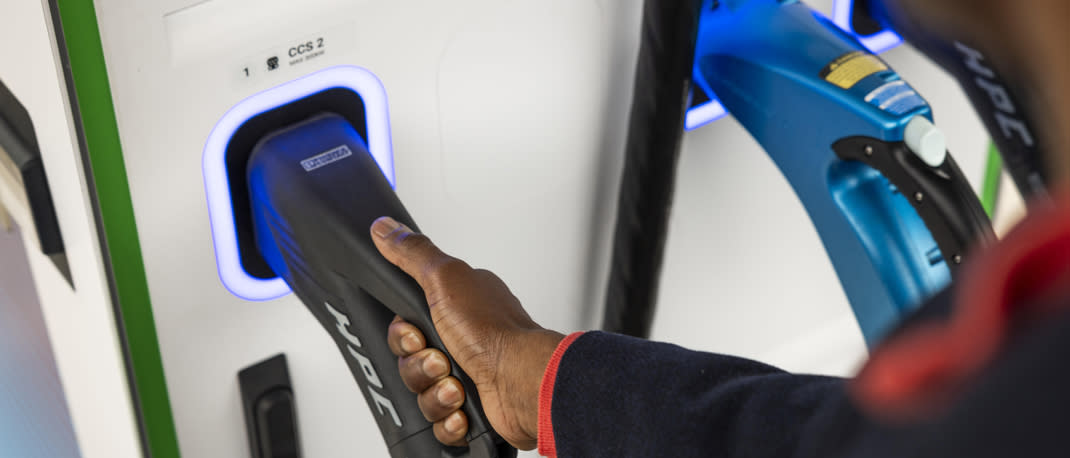
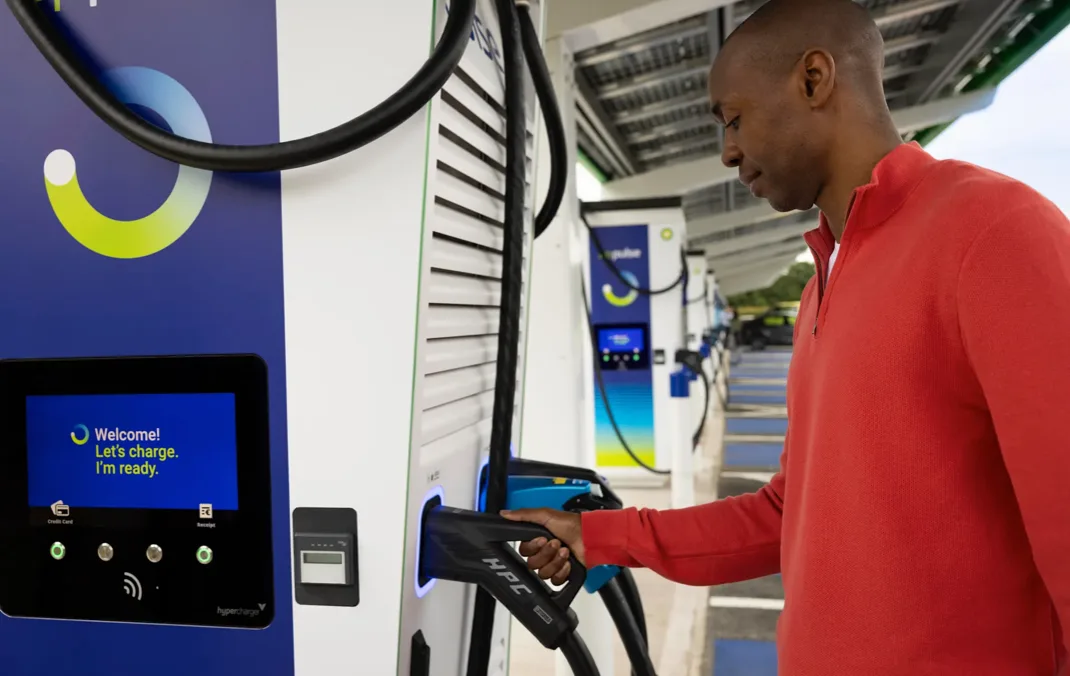
For charging on the go, bp pulse provides cables at charging stations. EV drivers do not need to bring or buy their own cables. bp pulse charging stations support a range of connectors, including CCS, CHAdeMO, and Type 2. It is essential to check the connector compatibility with your vehicle before using a bp pulse charging station.
However, occasionally you will need your own Type 2 charging cable, for our standard or fast charge points (7kW). Always ensure that the charging station connector is compatible with your vehicle before using it.