Five EV myths - busted
Don't let common EV misconceptions hold you back
As of October 2025, there were over 1.7 million registered EVs in the UK, according to Zapmap. The UK government is also encouraging EV adoption as it plans to end the production of petrol and diesel cars by 2030. And over £1.8 billion has already been invested in infrastructure and grants to increase access to zero-emission vehicles. Despite this, some misconceptions about EVs persist. Here, we address five common concerns.

1. The switch to EV is far off
The government has pledged to create EV-making gigafactories in the UK as part of its strategy to place the UK in the global race for EV adoption. The recent data seems to be promising – in the first three quarters of 2025, around 349,414 BEV (Battery Electric Vehicle) registrations were recorded in the UK, as per the Society of Motor Manufacturers and Traders (SMMT). And those who have adopted EVs seem to be converted: according to a UK government survey, 74% of EV drivers reported using their EV as their main vehicle and 78% planned to get another EV for their next vehicle – showing preference for BEVs.
EV adoption isn’t unique to the UK either: worldwide, there are now approximately 40 million EVs on the roads, according to an IEA report. All in all, it doesn’t feel like the switch is far off. You could say the switch is well underway.

2. EVs have a limited battery range and are not practical for long trips
Range anxiety – the concern around your EV running out of power at an inconvenient part of a journey is a common concern – but a closer look can bust this myth. As per an SMMT analysis, the average battery range for new BEVs in the UK is now around 300 miles on a single charge. And as 99% of car journeys in the UK are under 100 miles - with the right make and model for your needs, range anxiety is not a worry you need to have.
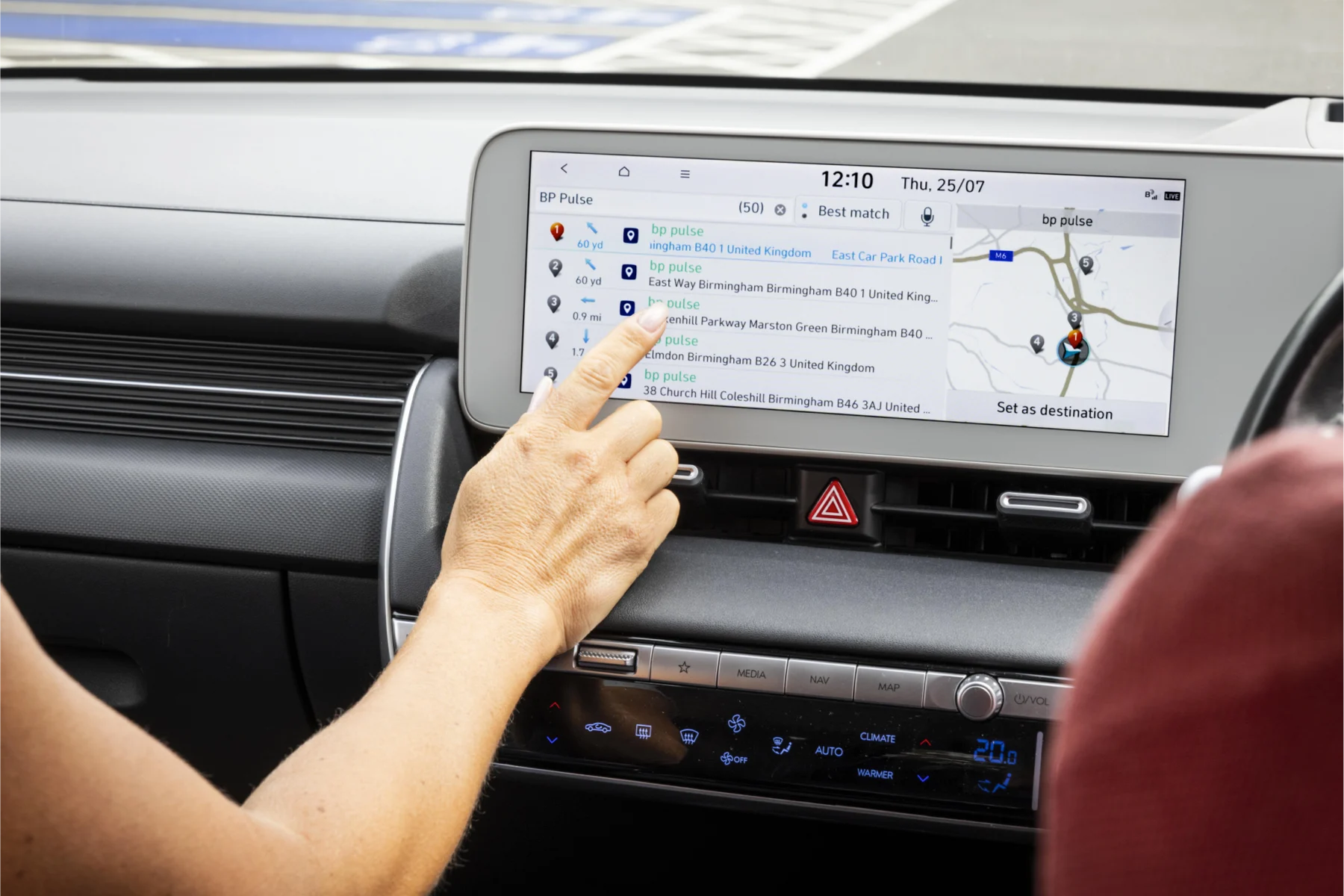
If you’d like even more peace of mind about range, we regularly post about turning range anxiety into range confidence. Being aware of the factors that can lead to running out of charge could banish that pesky range anxiety. You could also download the bp pulse app – you’ll have a live map of charging stations near you (and plus those along your route). With this real-time information at your fingertips, confidently plan your charging stops rather than worrying about low battery.
3. There aren't enough charging stations to meet demand
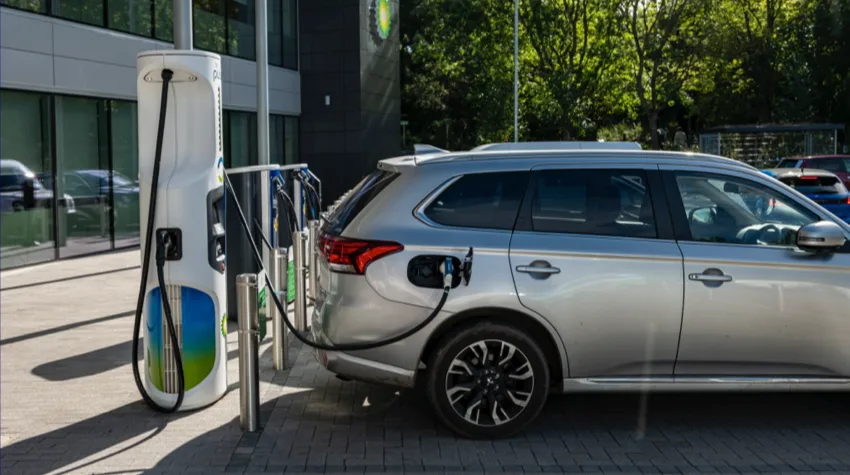
It’s perfectly understandable to have doubts about charging network availability, but a glance at the numbers of chargers in the UK can be very reassuring. As of October 2025, there were 86,021 public electric vehicle charging devices (from different charging providers) available across the UK, according to a recent UK Government report.
And because of government investment, and our own into the public charging infrastructure, it’s possible to charge your rented, owned, or leased EV without owning a charger at home, depending on your location. bp pulse is building EV charging stations in key locations across the UK, like Dundee, Lisburn, Taunton, and Leeds, to give you the best possible charging experience.
Remember, you can always find all our EV chargers with our free app. Filter by charging speeds or connector types to find sites that work for you. You can also beat queues and save time using the real-time EV charger availability feature on our app.

4. EVs are more expensive
Once you dig into the numbers around the cost of EV ownership, you can find there’s more flexibility – and room for costs to drop – than you originally expected. There are quite a few factors to consider here, so why not put the kettle on, then get comfortable?
EVs can cost more to buy outright – but typically have a lower running cost. And with more manufacturers making lower-priced EV models, the switch to EV has become more accessible - drivers have greater variety and price points to choose from.
The used EV market is also making EV ownership feasible. According to the official website of the UK Government, today, around 80% of UK drivers consider buying their cars on the used market, as some EVs are similarly priced to their ICE (internal combustion engine) equivalents. The second-hand EV market is also booming in the UK – making EV ownership more accessible across various budgets. As reported by SMMT, in Q3 2025, a record 80,614 used BEVs were sold in the UK – a 44.4% increase. If you’re open to buying a second-hand EV, here are some tips to help you find the right one for you.
In addition, there are initiatives to make the switch to electric vehicles easier and less expensive. The UK Government has launched an Electric Car Grant to support the transition to zero emission vehicles. Drivers can get grants of £1500 or £3,750 for EVs priced at £37,000 or below. This scheme is funded till FY 28-29.
The government also provides grant schemes for EV charging infrastructure, which can help to alleviate costs. Individuals and businesses eligible for grants can receive funding towards the cost of installing electric vehicle chargers at properties across the UK. If you’re a non-commercial landlord, you can apply for up to 75% off the cost of installing a charging set up at home – up until March 2026.

5. EVs are slow and lack power
Modern EVs offer impressive acceleration and top speeds that can rival their diesel and petrol equivalents. For example, the Kia EV6 GT, as stated on the manufacturer’s website, can go from zero to 60mph in 3.5 seconds, while the Tesla Model S Plaid can go from zero to 60mph in an impressive 2.1 seconds, as per an automotive publication. Many EVs also come equipped with a ‘sports mode’ that allows you to prioritise performance over battery efficiency – handy for short, spirited drives. Depending on the make and model you select - a switch to EV doesn’t have to mean a compromise on performance.
We hope that this article has helped dispel some common concerns about EVs and empowered you to find the right one for your budget and needs.