What is Electric Vehicle Supply Equipment (EVSE) and how is it crucial to the electrification movement

Explore tailored EV charging solutions with bp pulse
Electric Vehicle Supply Equipment (EVSE) is the critical infrastructure that enables the charging of electric vehicles
The electric vehicle (EV) revolution is expanding, and with it comes the need for robust and efficient charging infrastructure. Electric Vehicle Supply Equipment (EVSE) plays a significant role in meeting this demand by providing reliable and accessible charging solutions for EV owners.
We will dive into the world of EVSE, exploring its significance, types, benefits, and its role in the overall electric vehicle ecosystem. Whether you’re an EV owner, an industry professional, or simply curious about the future of transportation, this comprehensive guide will give you valuable insights into the world of EVSE.
Understanding Electric Vehicle Supply Equipment
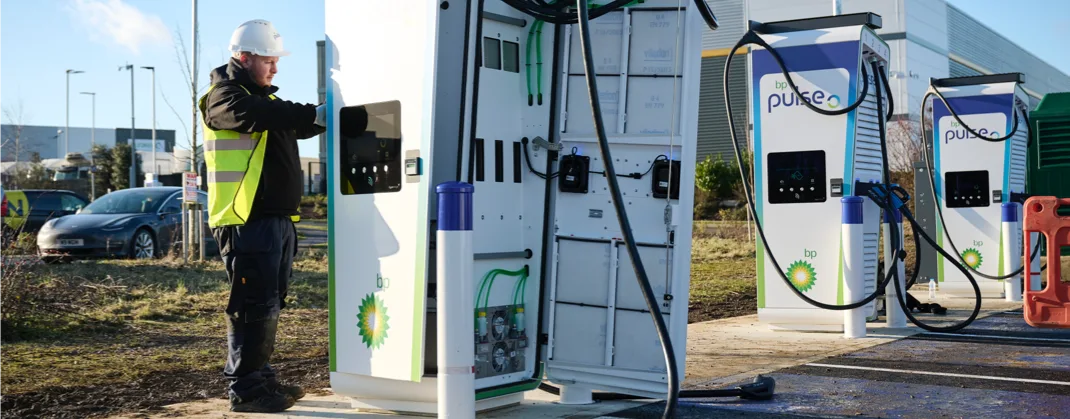
Electric Vehicle Supply Equipment, commonly referred to as EVSE, is the critical infrastructure that enables the charging of electric vehicles. It encompasses charging stations, connectors, and related components necessary for supplying electric energy from the grid to the EV’s battery. EVSE acts as the bridge between the electric grid and EVs, offering different charging levels and speeds to accommodate various charging needs.
Types of EVSE for fleets
Electric fleets typically use a combination of Electric Vehicle Supply Equipment (EVSE) to meet their charging needs. The specific type of EVSE used depends on factors such as the fleet’s charging requirements, vehicle types, and charging infrastructure setup. Here are some common types of EVSE used by electric fleets:
Level 2 charging stations
Level 2 EVSE, operating on a 240-volt AC power supply, is commonly used in fleet charging infrastructure. These stations offer faster charging rates compared to standard Level 1 charging and can be installed in fleet depots, parking lots, or other designated charging areas.
DC Fast Charging Stations (Level 3 Charging)
DC Fast Charging (also known as Level 3 charging) is essential for electric fleets requiring rapid charging capabilities. These high-powered charging stations provide direct current (DC) to the vehicle, allowing for quick charging sessions.
Depot charging systems
Electric fleets with dedicated sites or central charging locations often install depot charging systems. These systems consist of multiple charging stations of various charger types installed in the fleet’s business base, enabling simultaneous charging of multiple vehicles overnight and/or during vehicle downtime.
Fleet-specific charging infrastructure
In some cases, electric fleets may require customized charging infrastructure tailored to their specific needs. This can include installing a combination of Level 2 and DC Fast Charging stations, integrating charging solutions with fleet management software, or incorporating features like vehicle-to-grid (V2G) capabilities for advanced energy management.
On-route charging solutions
Electric fleets engaged in delivery services, public transportation, or other on-route operations may use specialized charging solutions. These can include strategically placed fast-charging stations along delivery routes or wireless charging systems at bus stops, allowing for quick charging during stops or layovers.
It’s important for electric fleets to work closely with EVSE providers, energy management specialists, and charging infrastructure experts to design and implement the most suitable charging solutions for their specific fleet requirements. Factors such as charging speed, capacity, scalability, and integration with fleet management systems are taken into account to ensure efficient charging operations and optimal fleet performance.
Benefits of EVSE
Convenience and accessibility
EVSE provides EV owners with convenient charging options at home, workplaces, and public locations. It ensures that EVs can be charged conveniently and reliably, eliminating range anxiety and enabling seamless integration into daily routines.
Cost savings
Charging an EV with electricity is can be cheaper compared to fueling a traditional internal combustion engine vehicle. EVSE can allow EV owners to take advantage of lower electricity rates, especially during off-peak hours, resulting in cost savings over time.
Grid integration and demand management
EVSE infrastructure can be integrated with the electrical grid to manage charging demand effectively. Managed charging solutions enable the optimization of charging patterns, load balancing, and even vehicle-to-grid (V2G) technology, allowing EVs to serve as energy storage devices and support grid stability.

Choosing EVSE for an electric fleet
Selecting the right Electric Vehicle Supply Equipment (EVSE) is crucial for efficiently managing your electric vehicle fleet. Here are some key considerations to help you make an informed decision:
Charging speed and capacity
Evaluate the charging needs of your fleet. Determine if Level 2 charging, which offers moderate charging speeds, or DC Fast Charging (Level 3), with rapid charging capabilities, is required. Consider the number of vehicles in your fleet and their daily mileage to assess the necessary charging capacity.
Infrastructure compatibility
Assess the electrical infrastructure at your fleet’s location. Determine if it can support the power requirements of your desired EVSE. It may be necessary to upgrade the electrical system to accommodate high-powered charging stations.
Scalability and future expansion
Consider the growth plans for your electric vehicle fleet. Choose an EVSE provider that offers scalable solutions, allowing you to add more charging stations as your fleet expands. This flexibility may ensure that your charging infrastructure can accommodate future demand.
Connectivity and monitoring
Look for EVSE systems that provide real-time data and remote monitoring capabilities. These features enable fleet managers to monitor charging sessions, track energy consumption, and identify any issues promptly. Remote access allows for convenient management and troubleshooting, enhancing overall fleet efficiency.
Customization and integration
Consider EVSE providers that offer customization options to meet your specific needs. This may include features such as branded charging stations, integration with fleet management software, or the ability to set different user access levels for charging stations.
The impact of EVSE on the electric vehicle ecosystem
Accelerated EV adoption
The availability and accessibility of EVSE infrastructure play a vital role in accelerating the adoption of electric vehicles. A well-developed charging network instills confidence in potential buyers, as it ensures the availability of charging facilities wherever they go.
Collaboration and standardization
Collaboration between automakers, utility companies, and governments is essential for the widespread deployment of EVSE. Standardization efforts, such as uniform connectors and protocols, ensure interoperability and a seamless charging experience across different networks.
Job creation and economic growth
The expansion of EVSE infrastructure creates job opportunities across various sectors, including manufacturing, installation, maintenance, and customer support. Moreover, the growth of the EVSE industry stimulates economic growth through investments in charging equipment and related services.
Enhanced grid resilience
Integrating EVSE with the grid enables the efficient management of energy demand and load balancing. By leveraging smart charging and V2G technologies, EVSE contributes to grid stability, demand response programs, and the integration of renewable energy sources.

Conclusion
Electric Vehicle Supply Equipment (EVSE) plays a vital role in supporting the growth and adoption of electric vehicles. By providing convenient, reliable, and efficient charging options, EVSE infrastructure addresses the concerns of EV owners, encourages sustainability, and promotes a cleaner transportation future. With various charging levels, from residential to rapid charging, and the ability to integrate with the electrical grid, EVSE is paving the way for a robust and comprehensive charging network. As the world continues to embrace electric mobility, the development and expansion of EVSE infrastructure will be crucial in meeting the evolving needs of EV owners and establishing a sustainable and electrified transportation ecosystem.