How does charge management software integrate with fleet telematics, like Geotab?
Explore tailored EV charging solutions with bp pulse
This integration combines real-time vehicle tracking, diagnostics, and driver behavior analysis with electric vehicle (EV) charging management
Fleet telematics and charge management software integration represents a significant advancement in fleet management technology. This integration combines real-time vehicle tracking, diagnostics, and driver behavior analysis with electric vehicle (EV) charging management. The result is a comprehensive solution that helps to enhance operational efficiency, reduce costs, and support the transition to sustainable transportation. This article delves into the components, benefits, and implementation of fleet telematics and charge management software integration.
What is fleet telematics, like Geotab?
Fleet telematics involves the use of telecommunications and informatics to monitor and manage vehicles within a fleet. It utilizes GPS technology, onboard diagnostics, and other data points to provide detailed insights into vehicle location, speed, idling time, fuel consumption, and driver behavior. A few of the most commonly used fleet telematics in the US include Geotab, Verizon, Solera, Trimble, and Zonar.
Key components of fleet telematics include:
GPS tracking: Real-time location data for fleet vehicles
Vehicle diagnostics: Monitoring engine performance, fuel levels, and maintenance needs
Driver behavior analysis: Assessing driving habits such as speeding, harsh braking, and acceleration
Reporting and analytics: Generating reports on vehicle and driver performance for analysis and decision-making.
What is charge management software?
Charge management software is designed to optimize the charging process for electric vehicles. It ensures that EVs are charged efficiently, cost-effectively, and in a manner that supports grid stability. bp pulse is a provider of fleet charge management software through Omega. Key features of charge management software include:
Smart charging: Scheduling charging sessions to take advantage of off-peak electricity rates
Load management: Balancing the electrical load to prevent grid overloads and reduce demand charges
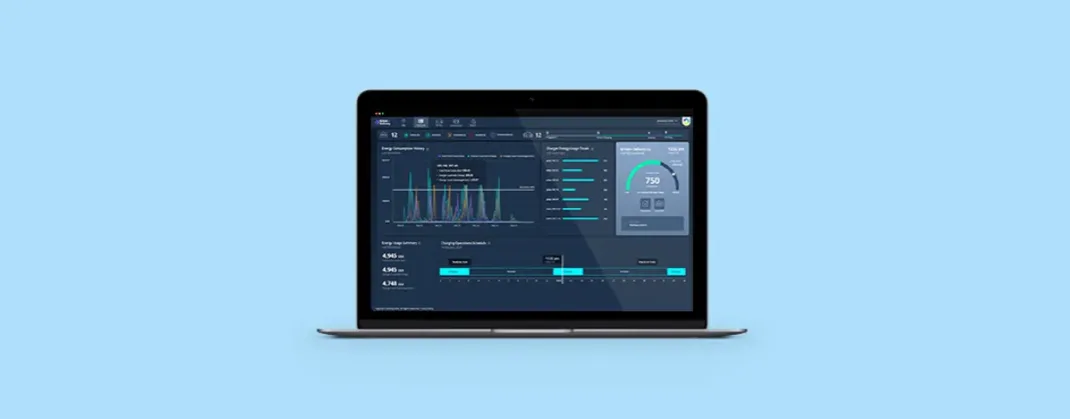
Monitoring and reporting: Providing insights into charging patterns, energy consumption, and costs
Integration with renewable energy: Utilizing solar or wind power to charge vehicles when available.
The need for integration
As the adoption of electric vehicles in commercial fleets increases, integrating fleet telematics with charge management software becomes essential. This integration addresses several challenges:
Operational efficiency: Coordinating vehicle operations with charging schedules to minimize downtime
Cost management: Reducing energy costs through optimized charging and efficient vehicle use
Sustainability goals: Supporting environmental initiatives by maximizing the use of renewable energy and helping to reduce carbon emissions
Data-driven decisions: Leveraging comprehensive data from both systems to enhance fleet management strategies.
Benefits of integration
Enhanced operational efficiency
Integrating fleet telematics with charge management software allows for seamless coordination between vehicle deployment and charging. Fleet managers can schedule charging sessions during off-peak hours, ensuring that vehicles are ready when needed without incurring excessive energy costs. Additionally, real-time monitoring of vehicle status and charge levels enables proactive management of fleet operations.
Cost savings
Optimized charging schedules and efficient energy use result in significant cost savings. Charge management software can schedule charging during periods of lower electricity rates, reducing overall energy expenses. Telematics data helps in minimizing unnecessary idling and optimizing routes, further lowering fuel costs and maintenance expenses.
Improved vehicle utilization
With integrated systems, fleet managers have a comprehensive view of vehicle availability and charge status. This information is crucial for maximizing vehicle utilization and ensuring that the fleet operates at optimal capacity. Vehicles can be strategically deployed based on their charge levels and operational needs.
Enhanced data analytics
The combination of telematics and charge management data provides a wealth of information for analysis. Fleet managers can gain insights into driving patterns, energy consumption, and overall fleet performance. Advanced analytics can identify trends, predict maintenance needs, and inform strategic decisions.
Implementation considerations
System compatibility
For successful integration, the telematics and charge management systems must be compatible. This involves ensuring that data from both systems can be seamlessly shared and analyzed. Open APIs and standardized data formats facilitate interoperability between different platforms.
Scalability
The integration solution should be scalable to accommodate the growth of the fleet and the increasing adoption of electric vehicles. Scalable systems can handle larger volumes of data and support additional vehicles without compromising performance.
Security
Data security is paramount in integrated systems. Both telematics and charge management software handle sensitive information, including vehicle locations, driver behavior, and energy consumption. Robust security measures must be in place to protect this data from unauthorized access and cyber threats.
User training
Effective implementation requires training for fleet managers and drivers. They must understand how to use the integrated system to maximize its benefits. Training programs should cover system features, data interpretation, and best practices for efficient fleet management.
Conclusion
Integrating fleet telematics with charge management software is a transformative step for modern fleet management. This integration can enhance operational efficiency, reduce costs, support sustainability goals, and provide valuable data insights. By understanding the components, benefits, and implementation considerations of this integration, fleet managers can make informed decisions that drive operational excellence and support a sustainable future.