5 Ways to winterize your EV for 2025
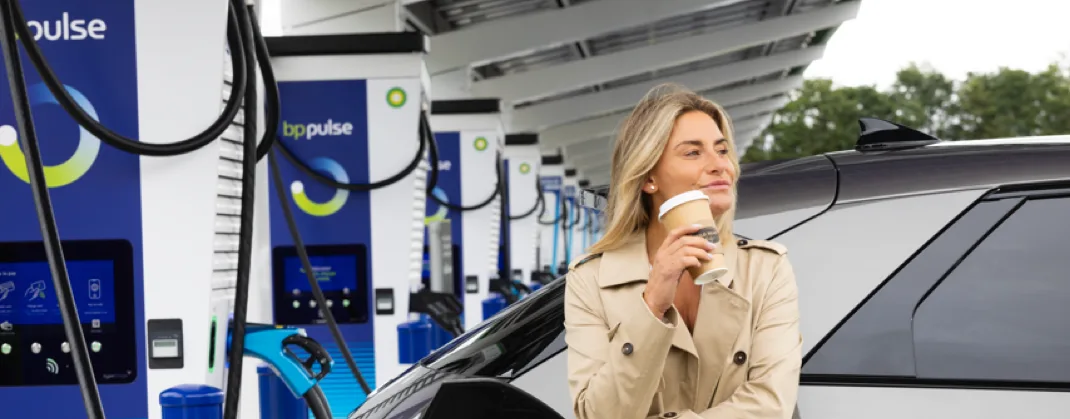
Find out about charging your EV with bp pulse
Getting your EV ready for winter is crucial to help maximize its safety, performance, and longevity
Just like an internal combustion engine (ICE) vehicle, taking a proactive approach to prepare your electric vehicle for harsh weather makes all the difference. Although seasonal maintenance is a similar concept, the actual steps to winterize your electric vehicle may differ in ways you didn’t expect.
Here are 5 ways to help ensure your electric vehicle runs smoothly all through our darker, colder months:
1. Adopt smart charging strategies
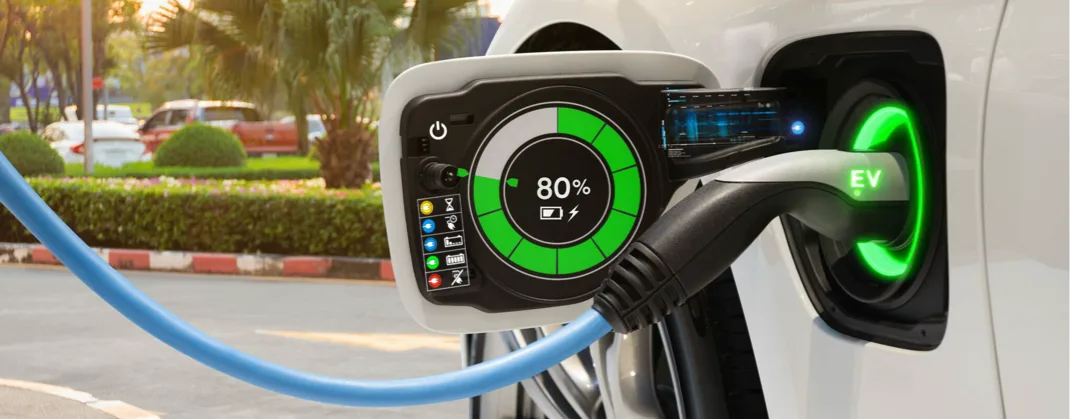
Maximize your battery health and longevity with the 80/20 rule. It’s best practice to keep your battery charged between 20 to 80% to prevent over-discharging or overcharging. Try to plan your charging sessions during the warmest parts of the day to boost the battery performance of your EV.
In cold weather, charging times may increase. Plan your charging stops for the conditions, allowing longer charging sessions and planning your route to include stations with reliable, well-maintained EV charging. Visit our public charging network map to find your nearest bp pulse site.
2. Pre-conditioning is your best friend
Many electric vehicles come equipped with a pre-conditioning feature that allows you to warm the cabin and battery while the car is still plugged in. This feature ensures that your battery starts the journey at an optimal temperature to help improve efficiency and range. Not to mention, on the coldest of wintery mornings, you’ll be that much more comfortable getting into your already heated vehicle.
3. Bundle up your battery
As this guide from the Department of Energy shows, it’s also a good idea to protect your EV battery from cold conditions as the temperature drops. Parking your EV in a garage or heated space whenever possible can help maintain the battery’s temperature, helping ensure your EV can still go the distance during winter months.
4. Traction, traction, traction
All vehicles, whether gas-powered or EV, operate best in the winter with winter tires. Having the right traction under your vehicle is crucial for icy and snowy conditions, significantly improving your vehicle’s safety. Unlike ICE vehicles, EVs have instant torque, or rotation, which makes traction all the more critical. With your winter tires, be sure to check and maintain the recommended tire pressure to ensure the tires perform at their best potential.
5. Give your EV a check-up
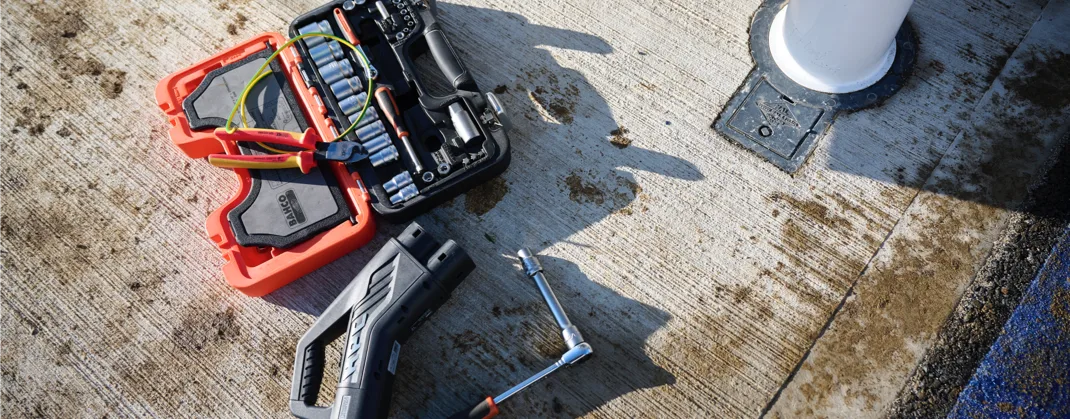
As the winter season approaches, it’s a great time to do a standard vehicle checkup. It’s essential to check all of the fluids and lubricants, such as brake fluid and coolant, to ensure they’re at the recommended levels for your electric vehicle. Just as the cooler temperatures can impact your tire pressure, so too can the lower temperatures affect your fluid performance.
Hit the road with confidence
Once you’ve accomplished your first winter maintenance, you’ll have it down for every year to follow. Before you get behind the wheel to drive to work or on that road trip for your winter holiday, follow these steps for a confident EV journey. Drive safe!
Want more tips on driving during the colder weather? Check out our blog on top tips on driving an EV in the winter for more.