Five EV myths – busted
Find out about charging your EV with bp pulse
This Halloween, make sure you’re not haunted by these common EV misconceptions
Electric vehicles (EVs) have been gaining popularity in recent years. According to the Department of Energy, there are now over 3 million electric vehicles registered in the US. Despite this momentum, misconceptions about EVs persist. Here, we address five common myths.
1. EVs are more expensive
Although EVs can cost more to buy outright, they can have a lower total cost of ownership (TCO) in the long run with lower maintenance and fuel costs. This tool by Energy Innovation shows the savings that EV drivers can enjoy from the lower cost of charging up on electric, versus filling up a gas or diesel tank.
While EVs might once have been more expensive than traditional vehicles, today, lower-priced models have made the switch to EV more accessible. In a 2025 article from Car and Driver, 10 of the most affordable electric vehicles are shared, starting at $29,635. With more manufacturers producing electric vehicles, drivers have increasing variety and price points to choose from.

2. There aren’t enough charging stations to meet demand
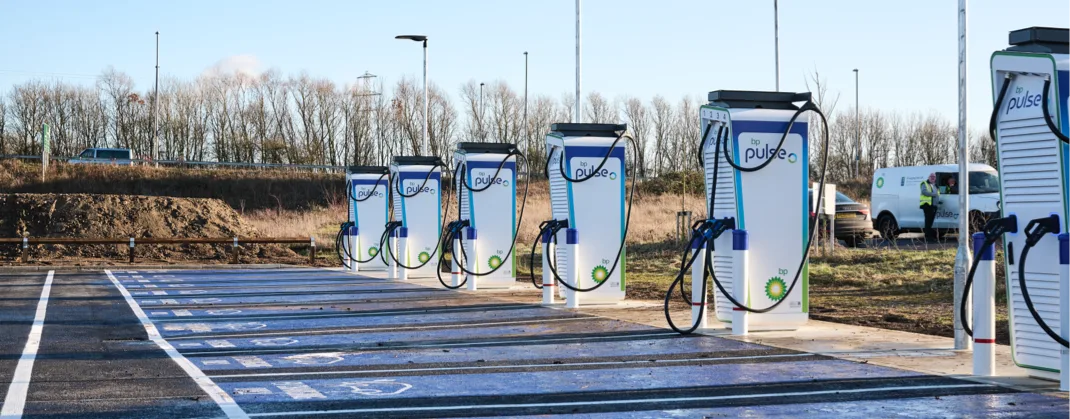
According to the US Department of Energy, there are more than 90,000 charging stations from coast to coast. EV drivers can rest assured that along their journey, they will be able to map to a charging station and access charging on the go.
At bp pulse, we’re continuously growing our network of charging locations across the US. Visit our map to view available chargers at convenient locations. Alternatively, download the bp pulse app to search for charging on the go, manage payments and track charging activity.
3. EVs take a long time to charge
Level 2 (or AC) chargers can take longer to charge your EV – that's why you’ll commonly see them at places designed for charging over a longer period overnight, like at home. On the go charging is different, with many providers offering DC fast charging to help get you back on the road fast. This research from Car and Driver observed DC fast charging times as low as 25 minutes from 10 to 90 percent.
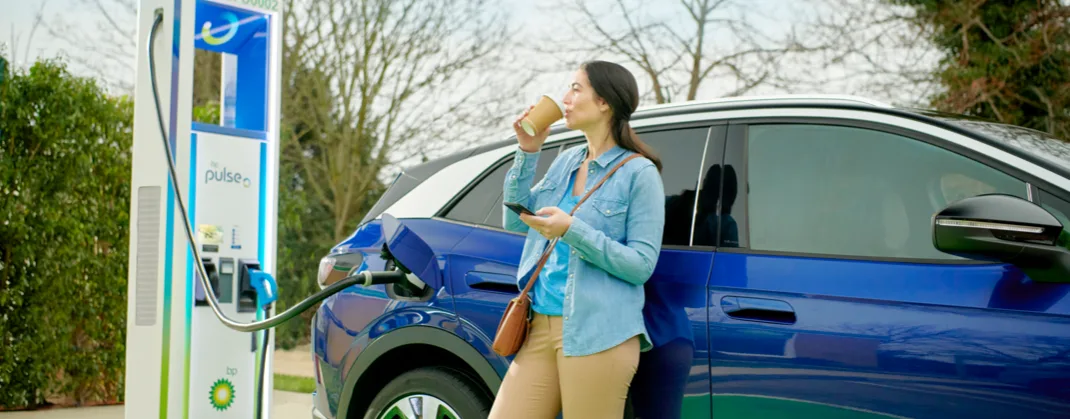
If that’s still too long for you, why not use the time to do something productive? Many EV charging sites are located near restaurants and stores, so it’s a good opportunity to take a break or get some shopping done while you wait.
All bp pulse sites offer DC fast charging, with amenities like convenience stores and fast-food restaurants either onsite or nearby.
4. EVs have a limited battery range and are not practical for long trips
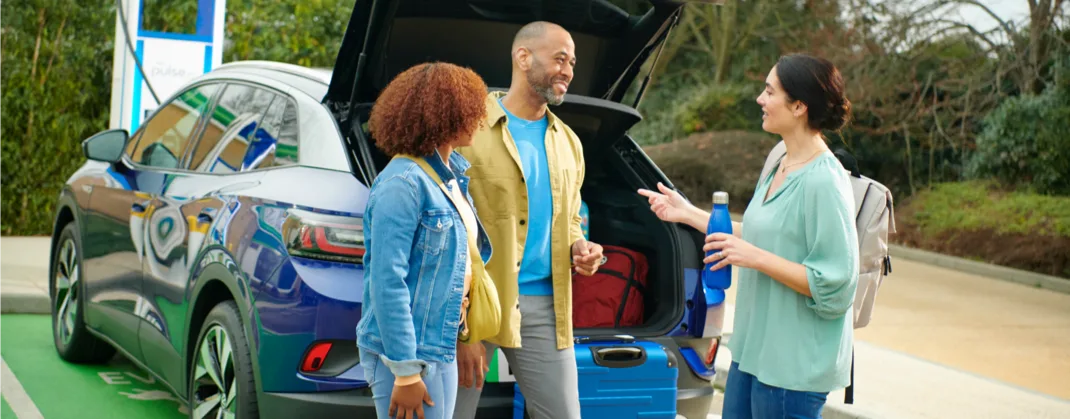
While range anxiety is a common concern, most EVs now cover between 110 and 300 miles on a single charge, depending on factors such as the vehicle make and model. As EVs have evolved, more drivers than ever can now leverage their vehicle for longer distance journeys.
Still have concerns? Check out our article on how to overcome EV range anxiety.
5. EVs are slow and lack power
Modern EVs can provide acceleration and top speeds to rival their ICE equivalents. Research from MotorTrend showed that the 2025 Hyundai Ioniq 5 N can go from zero to 60 MPH in 2.8 seconds, while the 2021 Tesla Model S Plaid can go from zero to 60 MPH in an impressive 2.1 seconds. Depending on the make and model you select, a switch to EV doesn’t have to mean a compromise on performance.
We hope that this article has helped you say BOO to a few common fears about the EV world, and got you feeling empowered about finding the right one for your needs. Happy Halloween!