kW vs. kWh—what it means for your EV
Find out about charging your EV with bp pulse
Joining the electric vehicle world for the first time can bring with it a whole new vocabulary
While kW and kWh sound very similar, the difference in what each unit measures is substantial. Here we outline the definition of each term, and what the difference between them means for you and your EV.
There’s power in the kilowatt
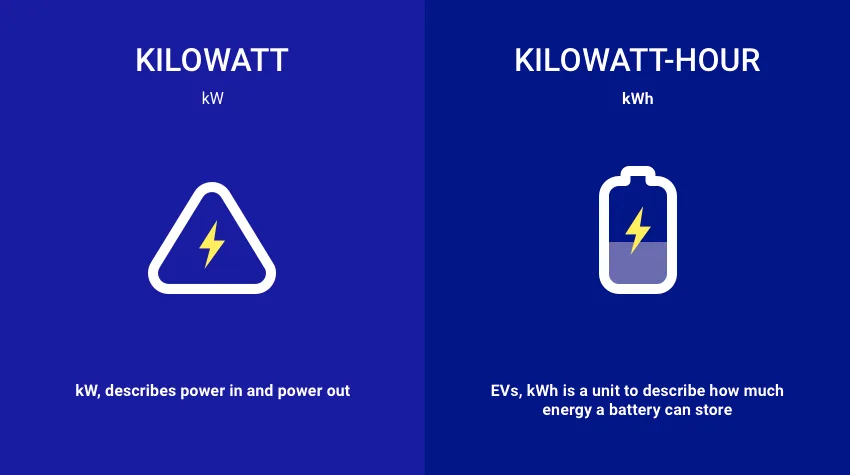
Kilowatt, or kW, describes power in and power out. One kilowatt is a unit of power, representing 1,000 watts. When applying kW to cars, kilowatts measure the amount of power generated by the motor—this indicates how powerful the vehicle is and what to expect from speed acceleration.
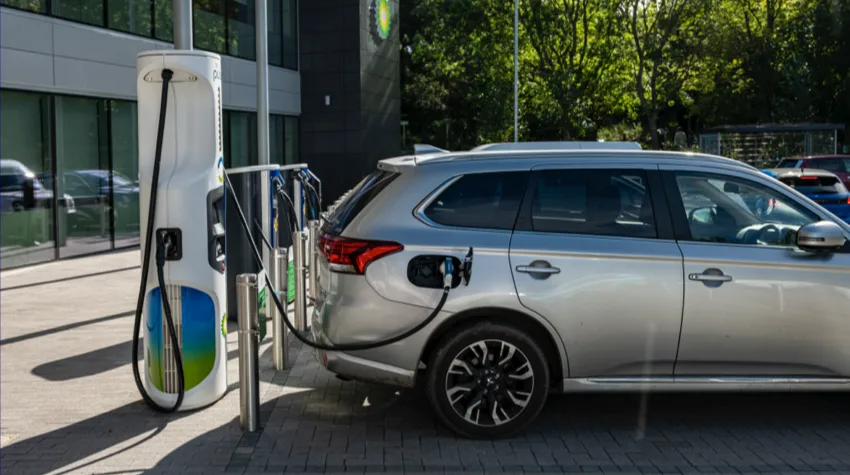
In the EV world, kilowatts are used in reference to two different things—cars and chargers. A kW rating on an EV charger indicates how quickly the charger is able to transfer electricity into the battery of your vehicle. The higher the kW rating, typically, the faster you can charge up. DC fast chargers are generally 50 kW and above, which would charge considerably faster than an AC level 1 or level 2 charger.
But wait, there’s more. Other factors that impact your charging time include the EV model you’re charging, and weather. To plan your charging session and choose the charger that’s right for you, it’s critical to consider these factors.
There’s energy in the kilowatt hour
Kilowatt hour, or kWh, describes energy storage. With respect to EVs, kWh is a unit to describe how much energy a battery can store. This can be nearly directly compared to the size of a gasoline fuel tank, or the way electricity is stored through the battery on your smartphone.
An electric vehicle with a higher kWh rating can store more energy, meaning you can drive the vehicle further on a single charge. Electric vehicles with the highest battery size measure in at 123 kWh and as little as 21 kWh.
Now, keep in mind. Although higher kWh batteries generally correlate to longer vehicle ranges, that is not always the case. Vehicle efficiency, or how well the vehicle turns a unit of energy into miles or distance, is what determines its range. This is a consistent consideration from an internal combustion engine (ICE) to an electric vehicle.
All in all
To overly simplify the complex concepts, kW can be summed up as power, the speed of a car, or the speed of an EV charger, while kWh can be summed up as energy storage or the capacity of an EV battery. Knowing the difference between kW and kWh can help give you confidence in choosing and charging your electric vehicle. Further, with these tools, you can estimate the frequency of your charging sessions and the time it takes to charge up your EV to create a more seamless experience.