kW vs. kWh—what's the difference?
A handy guide to the two terms—and what EV drivers need to know

When you get your first EV, we know there can be a lot of new words to learn. At bp pulse, we want to help turn jargon into simple, helpful facts. In this article we’ll go through kW and kWh and what they mean for you, so you can feel confident of making the right choices whether you’re in the showroom or on the road.
kW describes power in and power out
kW stands for kilowatt—a unit of power, which represents one thousand watts. In the EV world, kilowatts are actually used in reference two different things—cars and chargers. That’s because kW is a measure of both the rate of power output and power transfer.
When kW applies to cars, it’s a measure of the amount of power generated by the motor. In other words, the number of kW indicates how powerful the vehicle is, and gives an indication of what to expect from its speed acceleration. Generally, more kWs means more get-up-and-go. That might be an important consideration when choosing the EV that’s right for you.
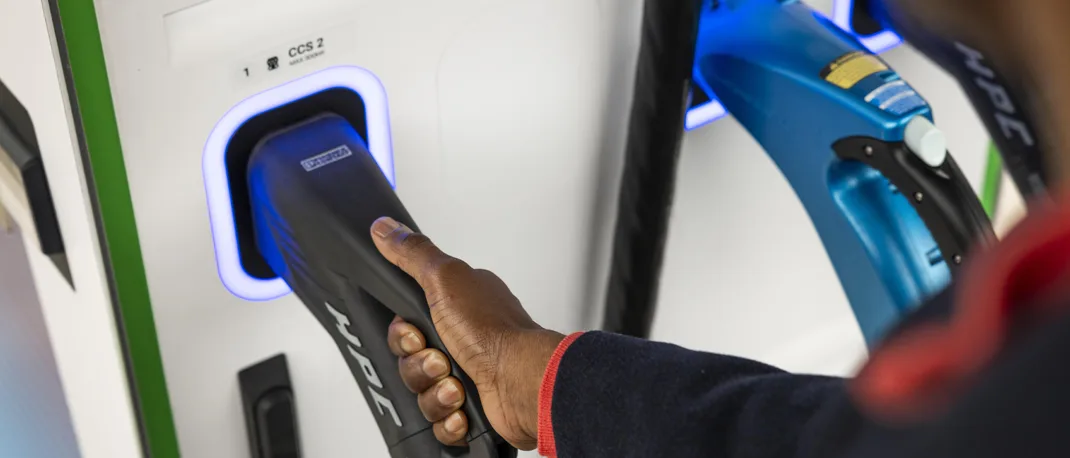
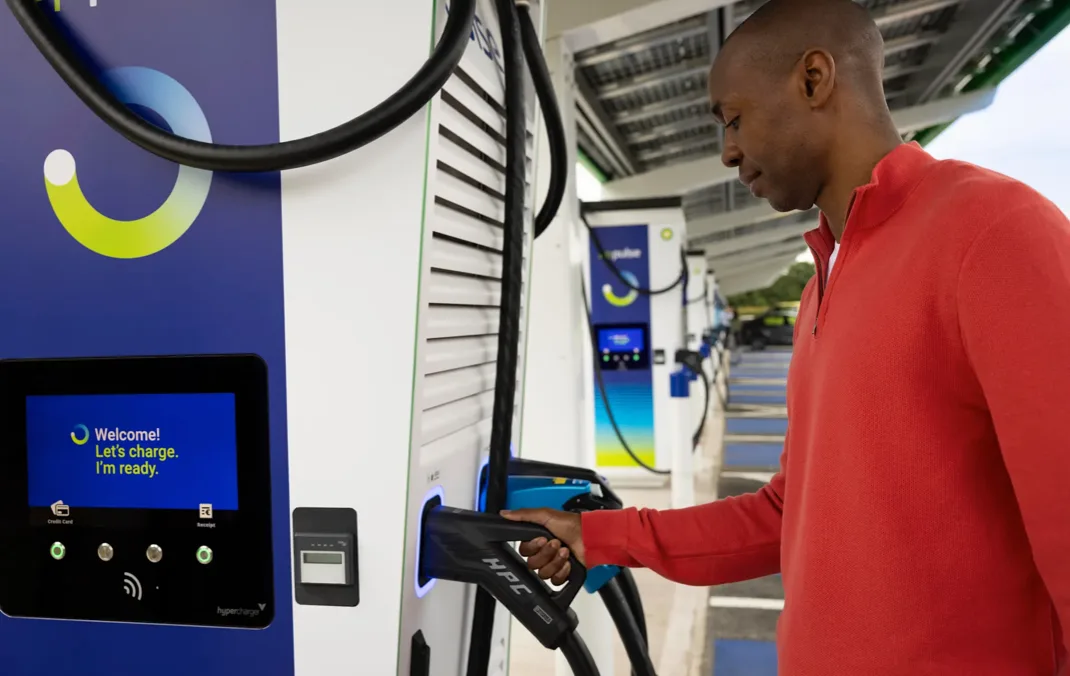
When you see a kilowatt rating on a charger, then it’s a measure of how quickly the charger is able to flow electricity into the battery of your car. So, a 150kW bp pulse charger will charge you up considerably faster than, say, a 7kW charger. However, this depends on your car too, because different EV models charge up at different speeds. Even the weather makes a difference—on hot or cold days, the charging speed may be a little slower.
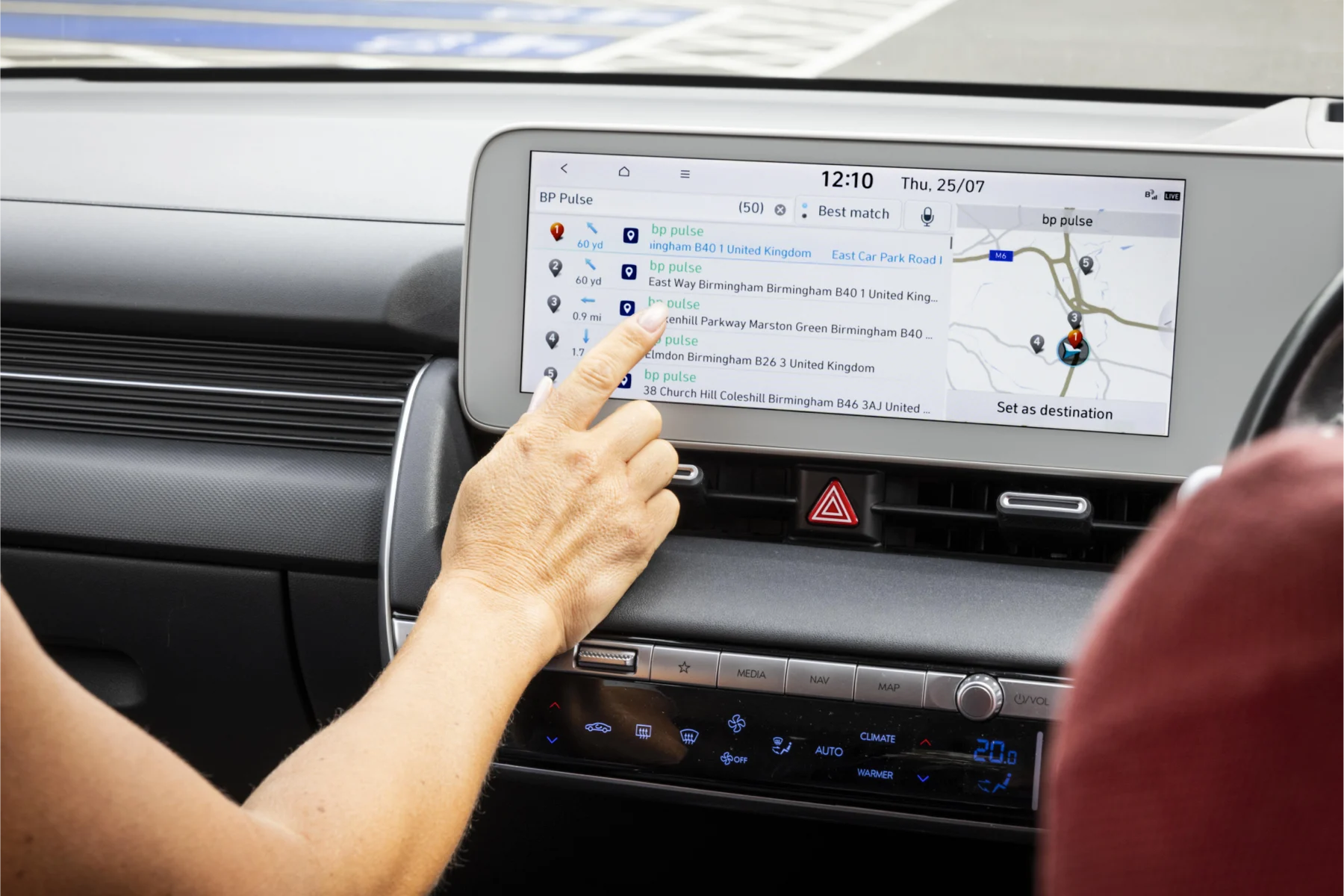
When it’s time to charge, charging speed is good to know, because you can judge how long your stop is likely to be and plan your journeys well. And of course, it’s always good to find charging stations that are near shops, restaurants or just somewhere to grab a coffee, so your stop can be enjoyable as well as useful. Find out more about how long it takes to charge with our handy guide.
kWh is about energy storage
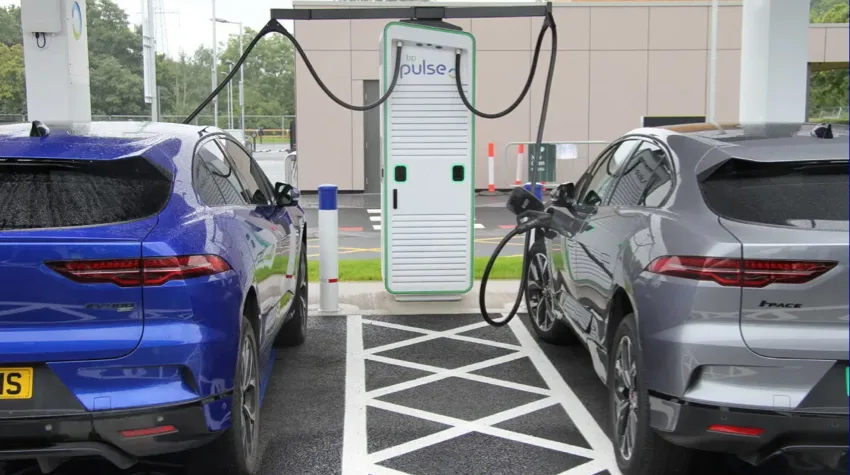
kWh is short for kilowatt hours. In the EV world, these are the units used to describe how much energy the battery can store. It’s a bit like the fuel tank in a petrol car. Or, how much charge you have on your mobile phone.
A vehicle with a higher kWh rating can store more energy, so it can travel further on a single charge. If you often take long journeys, and want fewer breaks, a higher kWh vehicle might suit your needs best.
Enjoy every journey
Charging on the go is just part of EV life. When you start to know how long you’ll be stopping for, you can make the most of it, whether that’s helping the kids choose snacks or finding a cosy place for a coffee.
As well as our chargers on the familiar bp forecourts, we partner with great brands like Marks & Spencer, so, at some of our sites, you can do all your shopping and grab a bite while your car is charging up for the road ahead.