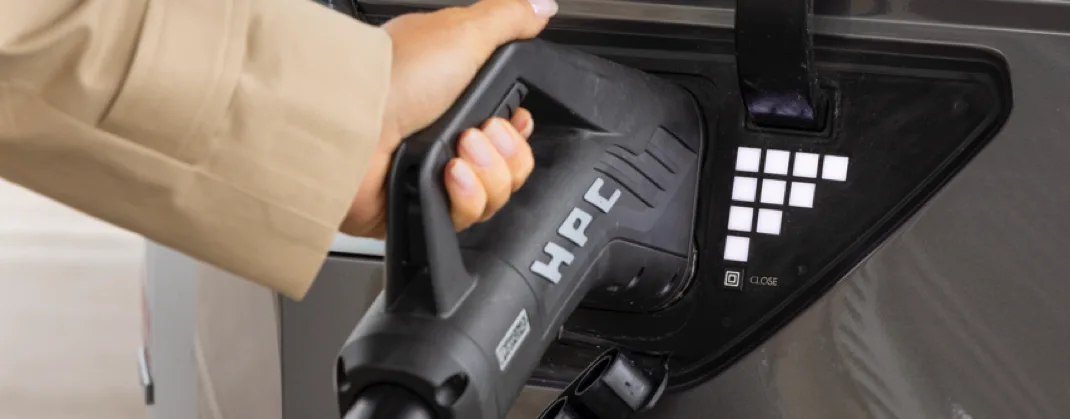
What to expect when hosting bp pulse EV chargers at your real estate property

Explore tailored EV solutions with bp pulse
As more consumers make the switch to electric vehicles, the demand for accessible and reliable charging infrastructure continues to grow
By hosting EV charging stations at your real estate property, you can cater to this evolving market while collecting rental revenue.
When considering becoming a bp pulse site host, you might be wondering what exactly this will involve. How will bp pulse prepare your property for EV charging, and what does this mean for ongoing operations? Here’s a step-by-step guide for what the hosting process would look like.
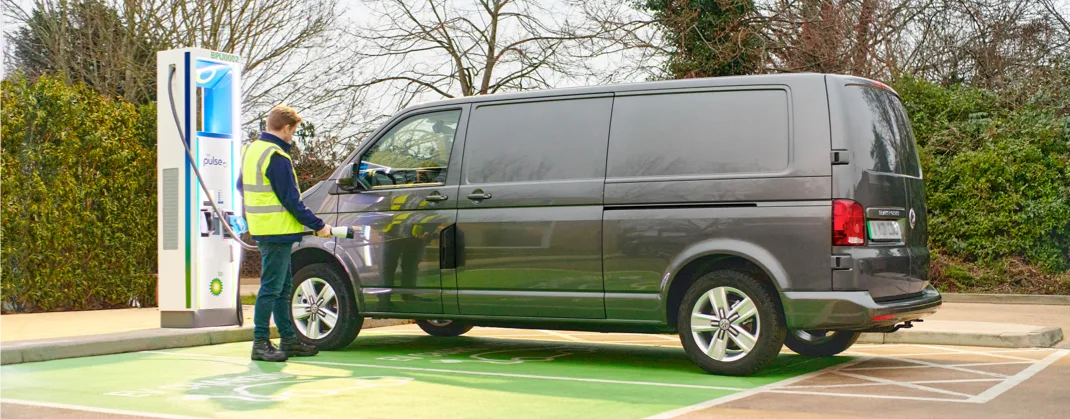
1. Site evaluation
The first step in becoming a bp pulse charging host would be for us to evaluate your site, confirming whether it is a good fit for EV charging. Some of the characteristics we consider include location, size, accessibility, visibility, nearby amenities, and more.
2. Contracting and initial design
Once determined that your site checks the boxes for an ideal EV charging location, we propose a competitive monthly fee for hosting our chargers at your site, along with terms for incorporating into a formal legal agreement. In most cases, we then engage our engineers to determine placement of equipment and likely point of interconnection for power. Through this process, we would collaborate to identify the number of charging points that best fit your site and agree on a concept site plan.
3. Final design, utility, and permitting
After signing a contract, we’d work to finalize your EV charging site design with our engineering, procurement, and construction provider. In doing so, we’ll assess local permitting requirements to ensure your site plans are approved by local governing entities and coordinate a separate source of power with the local utility provider. By using an electrification entity like bp pulse to complete this process, you already have built-in support and expertise when it comes to getting permits approved.
4. Construction and installation
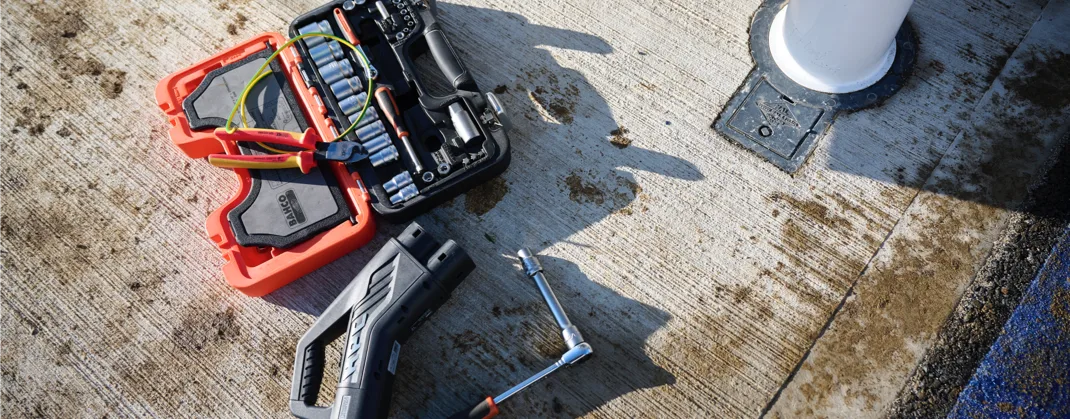
Once permits are approved, our team will coordinate a pre-construction meeting to arrange for site access, site security, and appropriate lay-down areas for equipment. Soon thereafter the construction and installation process begins. This process can include upgrading the electrical system or installing additional transformers to accommodate the electrical load. While the utility upgrade is built out, if needed, the charger installation process can also begin. If you choose to work with bp pulse, the upfront installation costs for the chargers are covered by us.
With experience managing large scale electrification projects, our team prioritizes the highest safety standards during this process, while ensuring as minimal impact to your operations as possible.
5. Testing and go-live
Once construction is complete, our team will handle robust end-to-end testing to ensure your site meets all safety and related requirements before going live. The chargers at your location are then officially added to our network of public charging stations, so drivers can find and use them. Once your site is part of the network, this also means we can monitor the chargers in real-time to spot any potential issues and drive uptime.

6. Promotion and ongoing operations
Once the site is live and ready for EV drivers to visit, we’d promote the EV charging site to help attract new customers. This includes adding the location to our map and app services. As the site continues operations, bp pulse as your electrification team would provide all ongoing operations and maintenance support on the chargers, with 24/7 support available for drivers that need it. We also monitor utilization to make informed decisions about expanding marketing and site upgrades.
Compared to owning and installing EV charging yourself, this means you and your staff don’t need to worry about driving utilization or managing any potential charger issues yourselves.
In conclusion
Although no two sites are the exact same when it comes to hosting EV charging, this guide gives you an idea of the typical steps that will take place to take your site electric. By selecting an electrification provider, like bp pulse, you can receive regular rental revenue, while having the upfront installation costs and ongoing charger maintenance costs covered.