Understanding road tax for electric and hybrid vehicles in the United States

Find out about charging your EV with bp pulse
We explore the intricacies of road tax policies and incentives for electric and hybrid vehicles across different states
Are you considering purchasing an electric or hybrid vehicle in the United States? Understanding the road tax implications can play a significant role in your decision-making process. In this comprehensive guide, we’ll delve into the intricacies of road tax policies and incentives for electric and hybrid vehicles across different states.
What is an electric vehicle (EV)?
Electric vehicles (EVs) have gained traction in recent years as eco-friendly alternatives to traditional gasoline-powered cars. One of the primary benefits of EVs is their zero tailpipe emissions, which can contribute to cleaner air and reduced greenhouse gas emissions. In the United States, road tax policies for EVs vary significantly from state to state.

What incentive programs exist for EV owners?
Several states offer incentives to promote the adoption of EVs and reduce dependence on fossil fuels. These incentives may include exemptions from vehicle registration fees, reduced rates for electric vehicle owners, and access to high-occupancy vehicle (HOV) lanes. States like California, New York, and Colorado have been at the forefront of EV adoption, offering a range of incentives to incentivize consumers to switch to electric transportation.
While many states offer incentives for EV owners, it’s essential to note that road tax policies can vary significantly depending on where you live. Some states may impose additional fees or taxes on electric vehicles to make up for lost gas tax revenue, while others may offer generous incentives to promote electric transportation.
What is a hybrid vehicle?
Hybrid vehicles, which combine an internal combustion engine with an electric motor, offer improved fuel efficiency and reduced emissions compared to traditional gasoline-powered cars. However, road tax policies for hybrid vehicles in the United States are not as straightforward as those for electric vehicles.
Unlike EVs, which produce zero tailpipe emissions, hybrid vehicles still rely on gasoline as a primary fuel source. As a result, road tax policies for hybrids vary depending on factors such as vehicle emissions, fuel efficiency, and state regulations.
Some states offer incentives for hybrid vehicle owners, such as exemptions from vehicle registration fees or reduced rates for hybrid vehicles with lower emissions. However, not all states provide specific incentives for hybrid vehicles, and road tax policies can differ significantly from one state to another.

What factors affect road tax for your electric vehicle?
Several factors can influence road tax policies for electric and hybrid vehicles in the United States:
State regulations
Road tax policies for electric and hybrid vehicles are determined at the state level, resulting in a patchwork of regulations and incentives across the country. Each state has its own approach to promoting electric and hybrid transportation, leading to variations in road tax policies and incentives.
Vehicle type and efficiency
States may offer incentives based on the type of electric or hybrid vehicle and its energy efficiency. For example, plug-in hybrid vehicles that can be charged from an external power source may qualify for additional incentives in certain states. Similarly, states may offer incentives for electric vehicles with longer battery range or higher energy efficiency ratings.
Federal tax credits
In addition to state incentives, the federal government offers tax credits for electric and plug-in hybrid vehicles. These tax credits can help offset the cost of purchasing a new electric or plug-in hybrid vehicle, making them more affordable for consumers. However, it’s essential to check the current availability and eligibility criteria for federal tax credits, as they may vary depending on factors such as vehicle make and model.
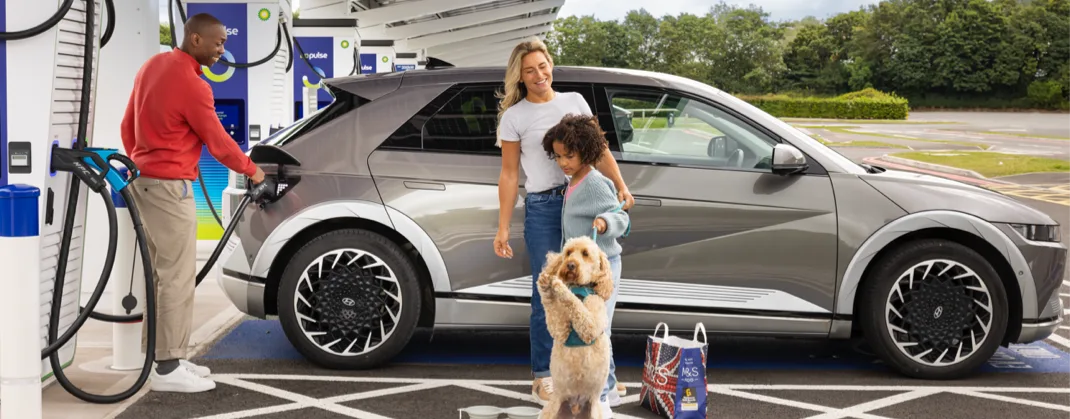
Explaining the benefits of electric vehicles and hybrid vehicles
Electric and hybrid vehicles offer numerous benefits beyond potential tax incentives.
Environmental impact
By choosing an electric or hybrid vehicle, consumers can significantly reduce their carbon footprint and contribute to cleaner air and a healthier environment. Electric vehicles produce zero tailpipe emissions, while hybrid vehicles emit fewer greenhouse gases compared to traditional gasoline-powered cars.
Cost savings
In addition to potential tax incentives, electric and hybrid vehicles typically have lower fuel and maintenance costs compared to traditional gasoline-powered cars. Electric vehicles can have lower operating costs since they rely on electricity rather than gasoline for power. Additionally, some states offer incentives such as reduced electricity rates for charging electric vehicles during off-peak hours, further reducing the cost of ownership.
Energy independence
Electric and hybrid vehicles can reduce dependence on fossil fuels and promote energy independence by utilizing electricity as a primary power source. By transitioning to electric and hybrid transportation, consumers can potentially reduce their reliance on imported oil, depending on where their electricity comes from when charging their EVs.
Innovative technology
Electric and hybrid vehicles often feature advanced technology and innovative design, providing consumers with a modern and efficient driving experience. From regenerative braking systems to advanced driver-assistance features, electric and hybrid vehicles offer a range of technological advancements that enhance safety, comfort, and performance.
Summarizing lessons learned on road tax for electric vehicles
Understanding road tax policies and incentives for electric and hybrid vehicles is essential for consumers considering a switch to clean transportation in the United States. By researching the specific regulations in their state and exploring available incentives, drivers can maximize cost savings and contribute to a more sustainable future.

While electric and hybrid vehicles offer numerous benefits, it’s essential to consider factors such as vehicle range, charging infrastructure, and driving habits when making a purchasing decision. By choosing an electric or hybrid vehicle that meets their needs and preferences, consumers can enjoy the environmental, economic, and technological advantages of clean transportation.
For more information on road tax policies and incentives in their state, consumers can visit their state’s Department of Motor Vehicles (DMV) website or consult with a local automotive expert. Additionally, online resources such as the U.S. Department of Energy’s Alternative Fuels Data Center and the Electric Vehicle Charging Station Locator can provide valuable information on electric vehicle incentives and infrastructure availability in their area.