Navigating EV fleet charging options in the US
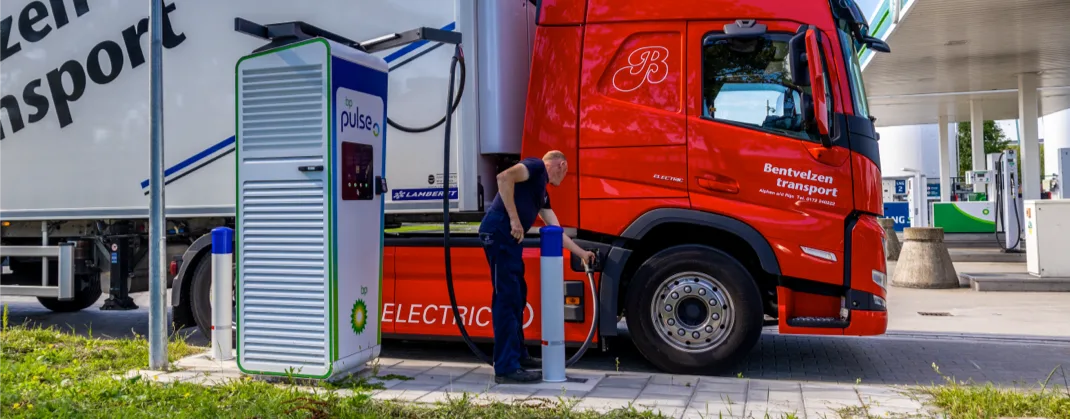
Find out about electrifying your fleet with bp pulse
Discover solutions to power your EV fleet sustainably and efficiently
As adoption of electric vehicles (EVs) continues to surge, one of the critical components in this revolution is the development of efficient and accessible charging infrastructure, especially as these vehicles become part of business operations. In the US, various options are emerging to facilitate the charging needs of fleets with EVs, supporting a more sustainable and cost-effective transportation ecosystem.
Permanent depot charging
The primary option for powering fleet EVs is depot charging, a method involving the installation of charging infrastructure at a centralized depot or headquarters where fleet vehicles are parked during non-operational hours.
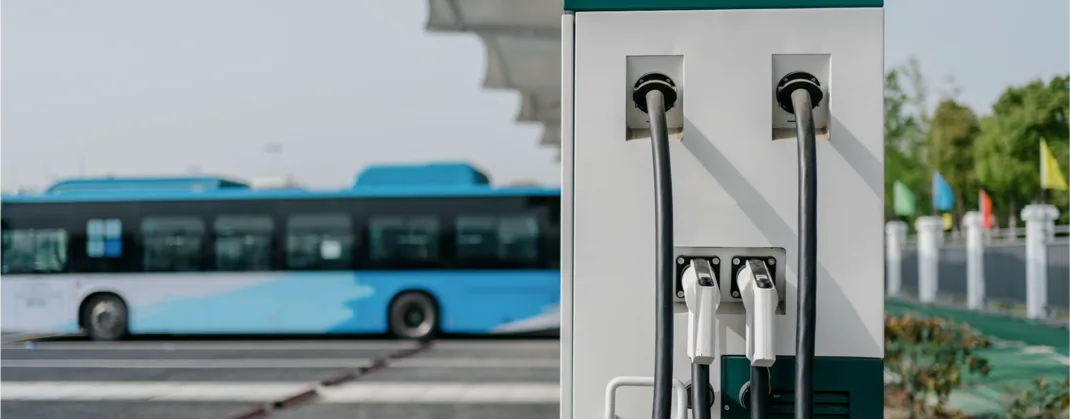
This approach ensures that vehicles are charging during their down time onsite and are ready for their next route from base. The process typically involves site design, hardware procurement, vehicle route analysis, construction, and energization of the depot chargers. Installing permanent infrastructure on-site also allows fleets to leverage charge management software to charge at lower-cost times.
Mobile charging
Mobile EV charging units are portable charging solutions designed to provide on-the-go charging for EVs. These units are typically compact and can be moved or deployed to various locations to offer charging services, especially in areas where permanent charging infrastructure is not available or when temporary charging needs arise.
Mobile charging is often the best choice for fleets with operational or space constraints, or fleets that need access to mobile charging that can be relocated as needed. Depending on the project, non-permanent and mobile charging can often meet charging needs in less time with less impact to existing site operations than traditional, permanent electric vehicle supply equipment would require.
Public charging
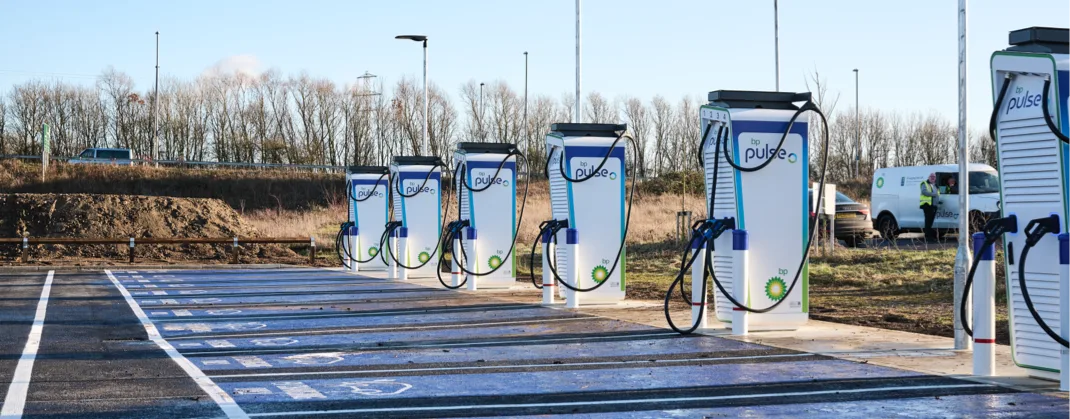
Public charging networks across the US offer a wide range of solutions to accommodate EV fleet charging needs. Commercial charging stations are strategically placed in various locations such as shopping centers, gas stations, and public parking areas. Major charging networks like bp pulse are expanding their network of fast chargers, providing EV fleet drivers with multiple options for recharging on the go.
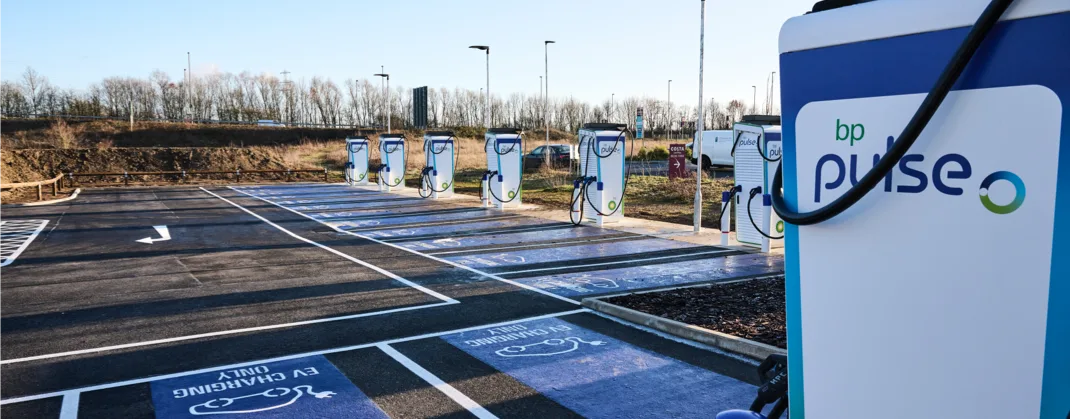
For fleets, public charging can complement the primary charging infrastructure, offering flexibility, backup, and supplementary charging. It’s essential for fleet managers to strategize and plan accordingly, considering the operational needs, vehicle range, and charging requirements of their EV. Interactive maps like our bp pulse charging map allows users to easily navigate to their closest EV charging station.
Conclusion
The future of transportation is electric, and accommodating the charging needs of EV fleets is a crucial step towards a sustainable mobility landscape. A collaborative effort involving businesses, government entities, and technology innovators is necessary to establish a comprehensive and efficient charging network supporting the widespread adoption of electric fleets across the US.
In conclusion, the emergence of diverse charging options, coupled with supportive policies and technological advancements, signifies a promising future for EV fleet charging in the United States. The evolving landscape promises a more sustainable and efficient transportation sector, driving the nation closer to a greener future.