Know before you charge: Types of EV charging ports
Find out about charging your EV with bp pulse
Get prepared with our helpful guide
When it comes to charging your EV, one of first things you’ll need to consider is the charging port your vehicle uses. Are you up to speed with the different charging types available, and what they mean for you and your EV? Find out more about the common types of charging ports used at EV charging stations in the US*.
The tech
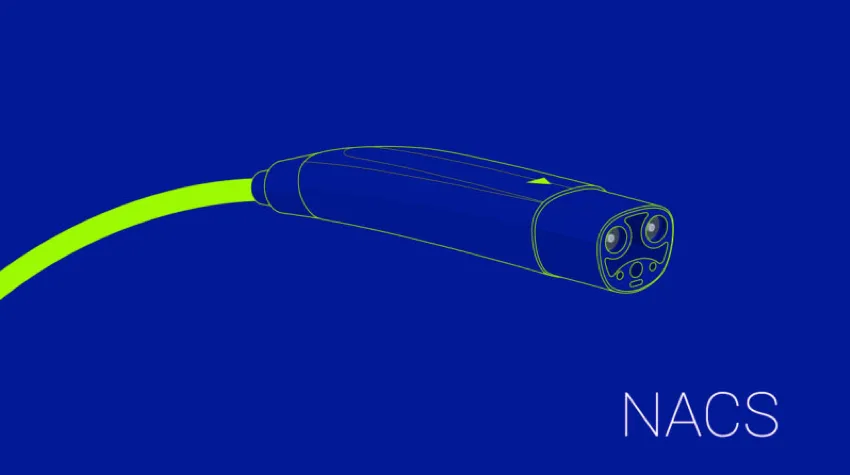
North American Charging Standard (NACS) or Tesla
The NACS connector is the proprietary charging port of Tesla and is now the fastest growing connector for electric vehicle manufacturers. In November 2022, Tesla announced this NACS connector design to be open to charging network operators and vehicle manufacturers for use on their equipment. Since, many American-based and international electric vehicle manufacturers have expressed intention to design EVs with NACS compatible ports going forward. The NACS connector is being standardized as SAE J3400.
A number of bp pulse sites feature NACS connectors, including our largest US hub near LAX – so Tesla drivers can get charged up and back on the road fast**.
CCS port
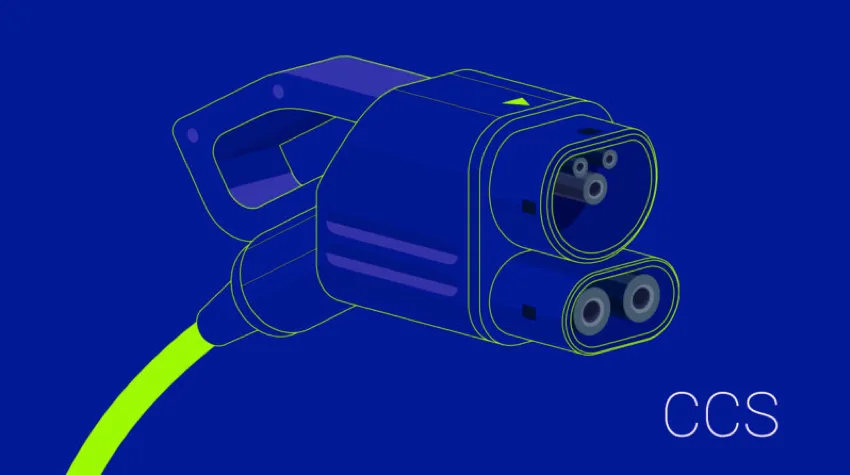
The Combined Charging System (CCS) Combo connector has had prominence as a versatile solution for EV charging. Combining the standard J1772 connector with two additional DC fast charging pins, the CCS Combo port supports both AC and DC charging. This dual capability makes it a preferred choice for faster charging options at level 2 stations and DC fast charging stations.
All bp pulse sites in the US have DC fast chargers with CCS connectors available. Why not find your nearest location on our map?
CHAdeMO
CHAdeMO is a DC fast charging standard primarily used for electric vehicles developed by Japanese companies. Although this connector is less common in the US, it’s a great choice for faster charging when traveling on long road trips.
A limited number of bp pulse sites offer CHAdeMO connectors – check the bp pulse app to confirm which stations use this port type.
What it means for you
Identify your native charging type
The first step to make EV charging work for you is to identify what your vehicle’s native charging type is. You can either take a look at the charging port on the vehicle itself to see which charging port type it is, or you can simply find this information in your vehicle guidebook.
Assess which station offers which charging plug
Finding a compatible charging station seems daunting, but it’s actually quite simple. If you’re headed to a charging station with only CCS chargers but your EV uses a NACS or CHAdeMO port, then you should ensure you have your CCS adapter with you, to allow for seamless charging. And vice versa. If you’re headed to a charging station with only NACS but your EV has a CCS or CHAdeMO port, you’ll want to be sure you have a NACS adapter with you.
Find a charging station that fits your vehicle
When using the bp pulse app, you can click on our locations to view not only what plug types are available there, but how many connectors are available at that moment. All of our stations are CCS and NACS compatible, with some requiring an adapter to connect. Your adapter is your best friend when it comes to the world of EVs. Be sure to only use adapters that are approved by your electric vehicle manufacturer for use on your model.
Pro tip: going on a trip? Keep in mind that even when borrowing or renting an EV, charging matters! When you check out an EV from a rental company, double check what type of charging port the vehicle has so you can navigate to the charging stations that have that vehicle’s charging plug.
*This article covers the most common EV charging sockets in the US, however there are more types of EV charging plugs. For more information, visit the US Department of Energy.
**Some vehicles may require additional hardware. You can check your vehicle's compatibility on the Tesla App