Five essential steps to kickstart your fleet electrification
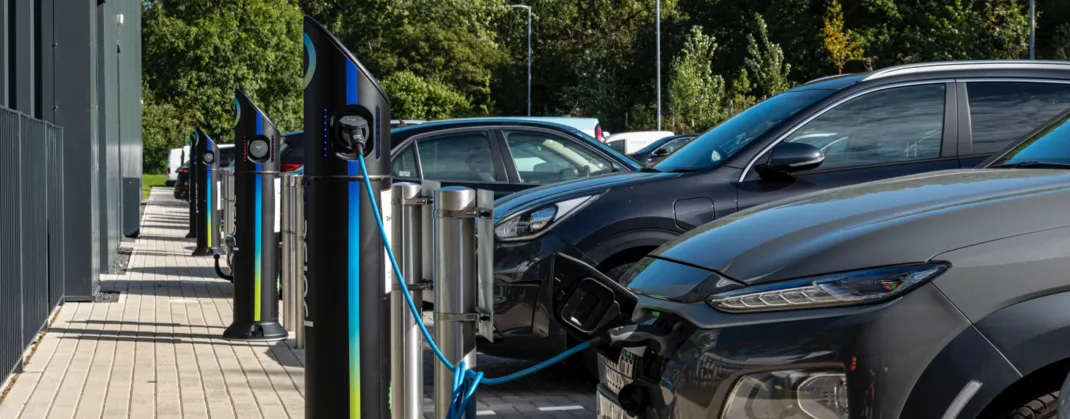
Find out about electrifying your fleet with bp pulse
With EVs more affordable and accessible than ever, there’s no better time to go electric
The transportation industry is seeing remarkable advancements in technology, embracing the shift to fleet electrification. Although the transition might feel unfamiliar and unknown compared to acquiring internal combustion engine (ICE) vehicles, the transition to electric brings incredible opportunities to fleets across the U.S.. As you look to electrify your fleet, here are five steps to get started.
1. Determine your electrification budget
There’s no denying that launching your electrification project will require an initial investment. Aspects to consider are: cost of the electric vehicles, charging infrastructure, design and installation, and utility rates. These components add up to your total cost of ownership (TCO) calculation–an important estimate to establish early on.
The initial costs can cause sticker shock, certainly, but there are several ways to mitigate these costs by taking advantage of available grants and incentives, and leveraging a charge management software to reduce volatility of electricity costs.
2. Explore electrification funding opportunities
As government regulations aim to reduce emissions in states across the U.S., government agencies and nonprofits alike are also offering more funding opportunities than ever. Working with your original equipment manufacturer (OEM) and local agencies can help you identify the right opportunities, requirements, and deadlines for applicable opportunities.
As you begin exploring opportunities, it’s wise to start collecting data on your fleet operations immediately, as it’s required for most funding applications. For more information, read our blogs on building a grant application and how to win grant funding. We also have a team of experts that are enthusiastic to help customers identify funding opportunities available to them. Contact us!
3. Choose the right electric vehicles for your fleet
To determine which electric vehicles (EVs) are right for you, begin by assessing your current fleet of ICE vehicles, and consider how to add EVs to the mix. Review your fleet driving patterns, vehicle range requirements, cargo capacity, and vehicle pricing to narrow down your electric vehicle options.
Once you have initial criteria defined, work with your OEM dealers to compare and test drive different EV models.
4. Consider charging infrastructure early on
As you fine-tune the right models and quantity of EVs, it’s important to begin looking at what charging infrastructure can power those vehicles. Many fleets that have electrified will attest that permitting and charging infrastructure installation can be the most time intensive–and what good is an EV without any way of charging it?
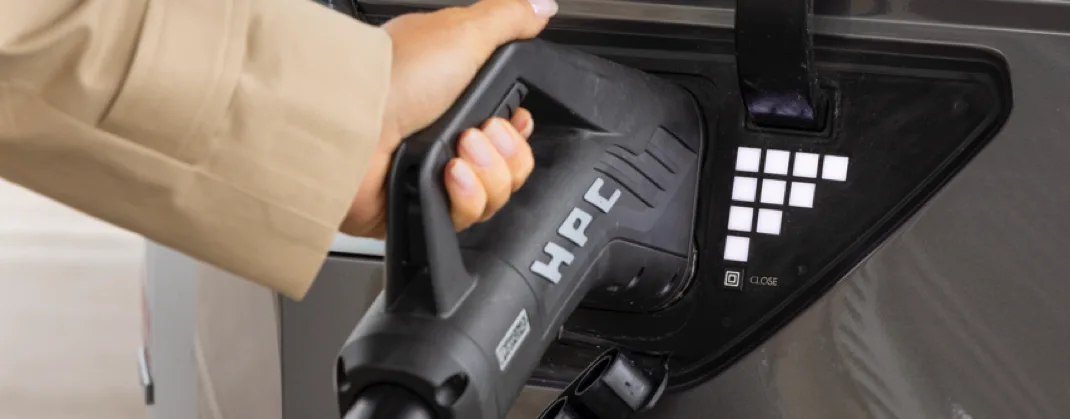
Electric vehicle supply equipment (EVSE) describes the charging equipment needed to charge your EVs. Considerations in picking the right charger include location, fleet size, EV models, and more. Not sure where to start? Begin your free estimate to identify the right charging infrastructure and estimated pricing for your fleet.
5. Work with your local utility provider
Utility providers are key in the electrification process because they are the ones with the power…electric power that is. Once you’ve defined the scope of your electrification project, it’s critical to start communications with your utility provider as you’ll need the proper permitting to install charging infrastructure and draw the amount of power it will take to charge your EVs.
Many fleets that have made the transition have the shared experience of long lead times when it comes to utility. So start early, know the right questions, and leverage your project partners to gain the required permitting. In our Charging as a Service solution, we not only tackle site design, installation, ongoing operations, and maintenance, but we also manage the communications with the utility to take that extra weight off your shoulders.
The transportation sector and EV manufacturers have made strides in expanding opportunities in electrification. Fleets now have an array of companies to draw on for support, from public entities to industry groups to private organizations. When it comes to shaping the future of transportation, we’re all in this together.