Driving your EV at night? Tips to stay safe in dark
Find out about charging your EV with bp pulse
Here are some ideas to make your night-time EV journeys safer and more enjoyable
As the weather turns cooler, drivers can expect darker mornings and afternoons. This can bring some challenges thanks to the reduced visibility that comes with less daylight. The good news is, there are lots of things you (and your electric vehicles) can do to make those darker drives safer and more enjoyable.
1. Regularly clean all glass on your EV
When your headlights, windows and mirrors are clean and streak free, your all-round visibility at night is better so you can see the road more clearly. If you wear glasses to drive, clean those too. Make it easy for yourself by keeping a glass cleaning spray and cloth in the car. To maintain good vision on the road, it’s also worth checking your wipers don’t need replacing, and you’ve got plenty of wiper fluid.
2. Make sure your EV headlights are working
The best way is to get someone to help by standing outside the car and watching as you work your lights. Remember to check your hazards, turn signals, fog lights and your high beam headlights. And save yourself time by making a note of where to get replacement bulbs for when you need them.
3. Find out if your EV has adaptive or ambient lighting
Some EVs have different lighting systems to support night driving, and you can think of them as being either inside or outside the car. Let’s start with outside. EVs with an adaptive lighting system can adjust their headlights and beam pattern according to the light conditions and presence of other vehicles – so, for example, the headlights will dip if an oncoming car is near, to avoid shining into the other driver’s face. There may be other features available too, depending on the make and model of the electric car.
An ambient lighting system, on the other hand, adjusts the color and intensity of the lights inside the EV, like the dashboard and footwell lights. Some studies suggest that this may help increase a driver’s sense of orientation and reduce eye-strain at night. To find out if you have either of these lighting systems check your manual or with your EV manufacturer.
4. Plan your breaks in advance
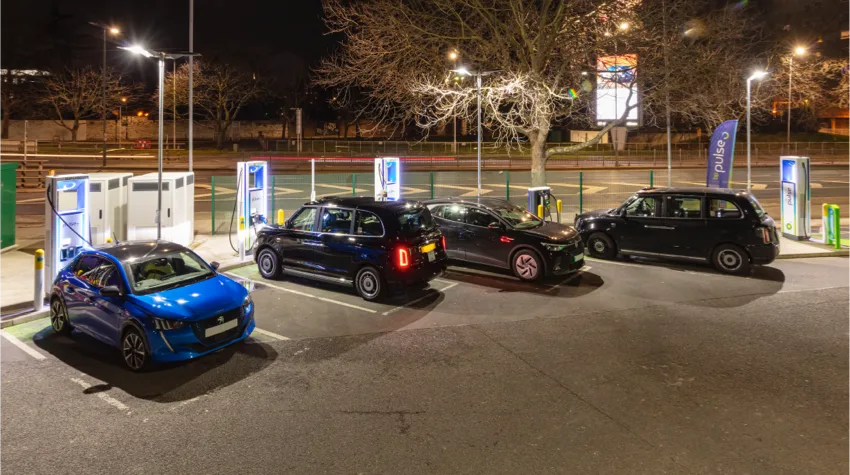
When you know there's a long drive at night coming up, find out where you can charge and rest before you set off. With that checked off your to-do list, you can devote more concentration to the drive itself.
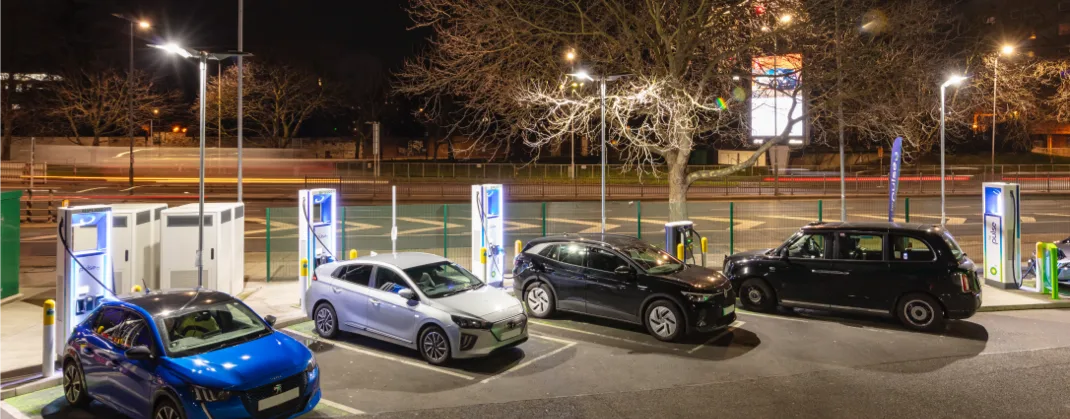
Many bp pulse EV charging sites are located alongside or nearby amenities to help you recharge on your nighttime journey – like convenience stores, restrooms, and fast-food restaurants. Check out our map or the bp pulse app to find our locations along your route.
5. Factor in longer charging into your journey length
When the sun goes down, it gets colder. As this article from Car and Driver shows, this can reduce your EV's battery range and make charging slower than you might expect, regardless of the maximum speed stated on a public EV charger. It’s a good idea to add extra time for charging when you do need to stop, to help with your journey plans. Our article on driving an EV in cold weather has more explanation on why those colder nights may affect your battery and what you can do to reduce the impact on your trips.
6. Look out for yourself and for others
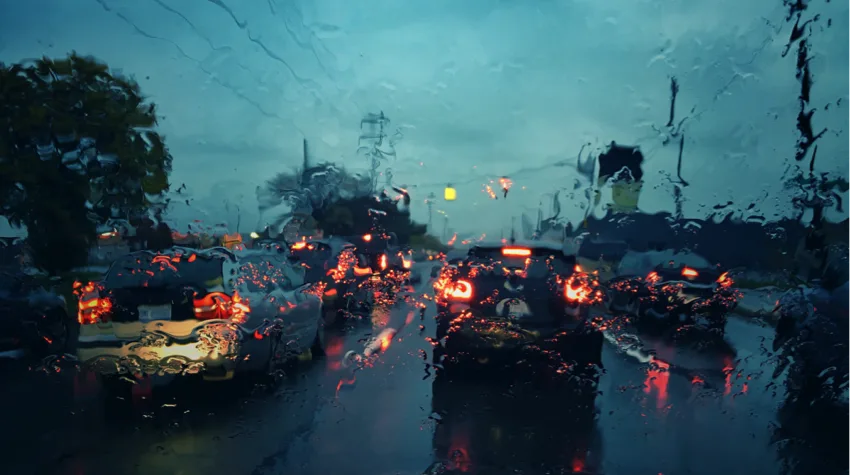
Take a moment to feel comfortable, alert, and prepared, and keep an eye out for pedestrians, cyclists, and other road users who may not be as visible as they are during the day.
7. Use those EV safety features
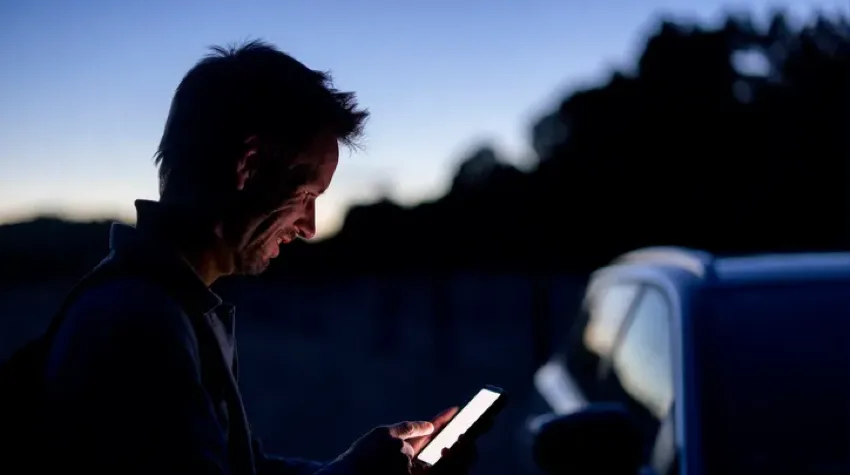
Many electric cars come with additional driving aids which may be useful at night, like lane keeping assistance and collision warning systems. These can be extra helpful when it’s dark, as they’ll support your visibility and general awareness.
For EV charging day or night, we’re here to help. Download the bp pulse app to check where you’ll find us on your nighttime road trips.