The guide to AC vs. DC charging: Everything fleet managers need to know
Understanding the differences between types of electric vehicle (EV) chargers is critical to make the best charging infrastructure decisions for your fleet needs

Put simply, alternating current (AC) and direct current (DC) are two different types of electric current. While both AC and DC currents can help fleet drivers power up and get on the road, there are differences between them.
What is alternating current charging?
AC charging utilizes the standard electrical supply found in homes and most commercial buildings. This type of current periodically changes direction, with the voltage and current continuously alternating between positive and negative values. AC charging stations are commonly known as Level 1 and Level 2 chargers, and are widespread in charging locations like homes, workplaces, and public charging stations.
When is AC charging right for your fleet?
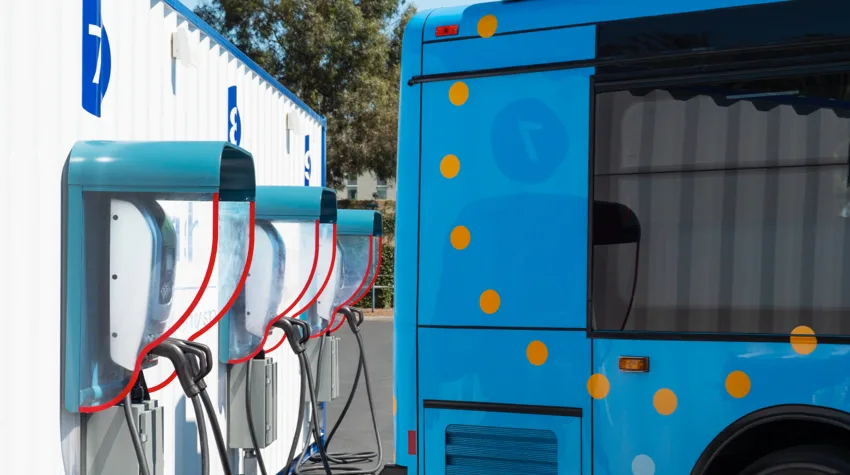
AC charging is typically slower compared to DC charging. Level 1 chargers use a standard 120-volt AC outlet and are the slowest, while Level 2 chargers use a 240-volt AC supply and offer faster charging. To know if AC charging is right for your fleet, you must be aware that AC charging is most suitable for overnight or extended charging due to the slower charge time. It’s ideal for topping off your EV battery while parked for extended periods.
What is direct current charging?
Direct current, or DC, charging provides electricity where the current flows in a constant direction, maintaining a constant polarity. DC charging stations, often referred to as Level 3 or DC fast chargers, are designed for quick charging and are commonly found along highways and in high-traffic areas.
When is DC charging right for my fleet?
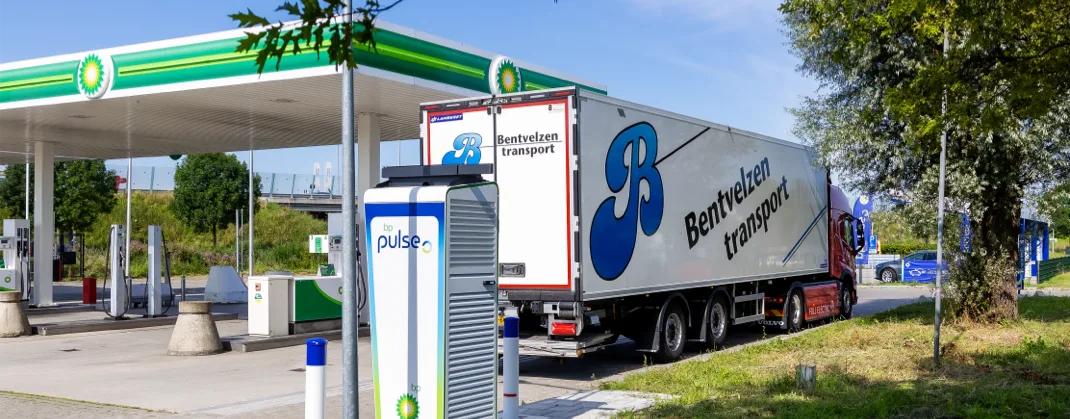
DC fast chargers can deliver a substantial amount of power to your EV in a short time, allowing you to recharge to 80% or more in around 30 minutes, depending on your EV’s compatibility. For that reason, you should consider incorporating DC fast chargers into your mix of charging infrastructure if your electric vehicles tend to have a shorter dwell time.
Choosing the best charging infrastructure for your fleet
Understanding the differences between types of chargers can help you make informed decisions about how and where to charge your EV fleet, ultimately making your experience more convenient and efficient. Analyzing your fleet driving patterns, fuel usage, and dwell times is the first step in understanding what your fleet needs out of your EV charging infrastructure.
Not sure where to start? We provide comprehensive consulting services to provide our fleet customers with an infrastructure site analysis and holistic charging strategy. Learn more about our charging infrastructure design and procurement services.