Take our big EV summer quiz
Find out about charging your EV with bp pulse
Here at bp pulse, we know there's a lot to learn about owning and driving an EV. We want to help everyone become more EV savvy, so why not test your knowledge with our quiz?
Questions
What does range mean?
Can your stereo drain your battery?
Are EVs automatic or manual?
Is it safe to charge in the rain?
What two things should you check to ensure your vehicle’s make and model are compatible with a public EV charger?
Is charging your battery to 80% recommended?
Can EV batteries only be charged by a charger?
Do electric vehicles require less maintenance?
What’s one of the most important things to check when buying a used electric car?
How many EVs are on the road in AU? Under a million?
Can some EV batteries last 15-20 years?
What do you need to do before using an adapter?
Do some cars charge faster than others?
What does kWh measure?
Where do most people use AC chargers?
Which is faster, AC or DC charging?
Why does your EV charge at different speeds?
What is a charging curve?
What should you look at when planning a long journey?
What can icy conditions do to your battery?
Can cold weather affect regenerative braking?
How can you save money on bp pulse charging?
Can hot weather affect charge times?
Can the amount of EVs charging on a site affect charging?
In what century did the first EV hit the road?
Should you stay with your EV while it’s charging?
Do you need an app to charge your EV?
See how you did!
Answers:
Range is the distance your EV can travel before needing to recharge.
Yes. Cabin heating, phone charging, and audio can use up power, reducing overall range. If you're low on charge, turning off extras can help.
All EVs are automatic, so you don’t need to change gears.
Yes, EV chargers are waterproof, so rain won’t be a problem.
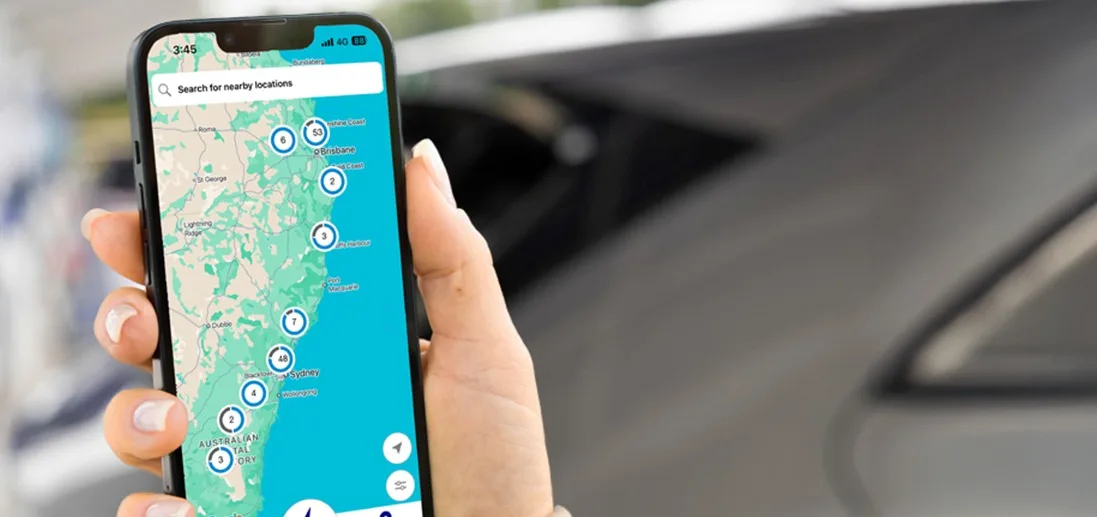
The charger type and connector. Know before you go with the bp pulse app.
Yes, charging up to 80% can help keep your battery in good condition. Find out more in four factors that impact charging power.
No, your EV also uses regenerative braking to recover energy while driving. It’s hard to believe, but there’s actually a reason to be happy about stop-start traffic.
Yes, EVs have fewer components than ICE vehicles, so there’s less to maintain.
The battery is a great place to start. Check its condition and expected lifespan.
Yes under a million– according to data from the Department of Climate Change, Energy, the Environment, and Water as of June 2025 the number of EVs on Australian roads reached over 360,000.
Yes - according to energy.gov.au EV batteries are expected to last 15 to 20 years, most new EVs come with an 8-year battery warranty, with most studies indicating the lifespan of modern EV batteries between 15 to 20 years.
Check your vehicle’s manual for specific instructions on using an adapter.
Yes, your vehicle’s charging capacity dictates how much power it can accept from a charger.
kWh measures how much energy a battery can store.
Most people use AC chargers at home or work.
DC charging is usually faster than AC.
Your EV charges at different speeds depending on battery level, temperature, and charger type.
A charging curve refers to an EV charging at different speeds during a single charging session. Find out more about charging factors.
Plan your route in advance so you know where you can charge.
It can slow down charging.
Yes, cold weather can reduce how much charge your battery gets from regenerative braking.
Some of our sites use Time of Use pricing, meaning the price you pay to charge up your EV varies by time of day. By charging during off-peak hours, you could save money on your charging costs vs peak periods.
Yes, high temperatures can slow charging.
Yes, if many EVs charge at the same time, charging speeds may be reduced to balance power across the grid.
The 19th century. The first EV was built in 1828 in Hungary, but there’s some debate about who made it.
It’s fine to leave, but it’s best to return before your car is fully charged so others can use the charger.
No, you can also use a bp pulse RFID card, or at some stations pay by credit card – but the bp pulse app makes charging easier by allowing you to track sessions, save your favourite sites and store payment options.
Where did you rank?
27 – 25 points: EV Pro
24 – 22 points: EV Expert
21 – 18 points: EV Live Wire
17 – 13 points: EV Switched On
12 – 8 points: EV Charge Needed
7 – 3 points: EV Brakes On
0 – 2 points: EV Learner
We hope you learned a thing or two. If you still feel like you've got a few knowledge gaps, take a look at some of our other articles and remember we're always here to help.