What if my EV battery runs out completely?
Find out about charging your EV with bp pulse
How likely are you to hit 0% in an EV?
Running out of battery is a common concern for many EV drivers. Even experienced drivers can feel uneasy before a long trip - especially when travelling outside metro areas.
The good news? Hitting 0% is far less likely than most people think.
Can EVs really run out of charge?
Like any vehicle, an EV can run out of energy. Most modern EVs offer around 400–600km of range, depending on the model, driving style and conditions. Smaller EVs usually have smaller batteries, which are well suited to daily commuting and city driving. For longer trips, planning your charging stops makes all the difference.
What happens when your battery gets very low?
EVs are designed to give you plenty of warning.
You’ll see alerts well before the battery is low, often starting around 20%.
Warnings increase as the charge drops further.
The vehicle may reduce power or limit some features to help you reach a charger.
Even when the display shows 0%, most EVs keep a small reserve to help protect the battery.
If you do run out of charge:
Pull over safely and turn on your hazard lights.
Contact roadside assistance and share your location and vehicle details.
Depending on the situation, they may tow you to the nearest charger or provide a small boost to help you get moving again.
How to reduce the risk of hitting 0%
A little planning goes a long way.
Plan your route and charging stops for longer or unfamiliar trips.
Keep an eye on weather - extreme heat or cold can affect range.
Use climate control efficiently, especially on long drives.
Pay attention to in‑car range and charging alerts.
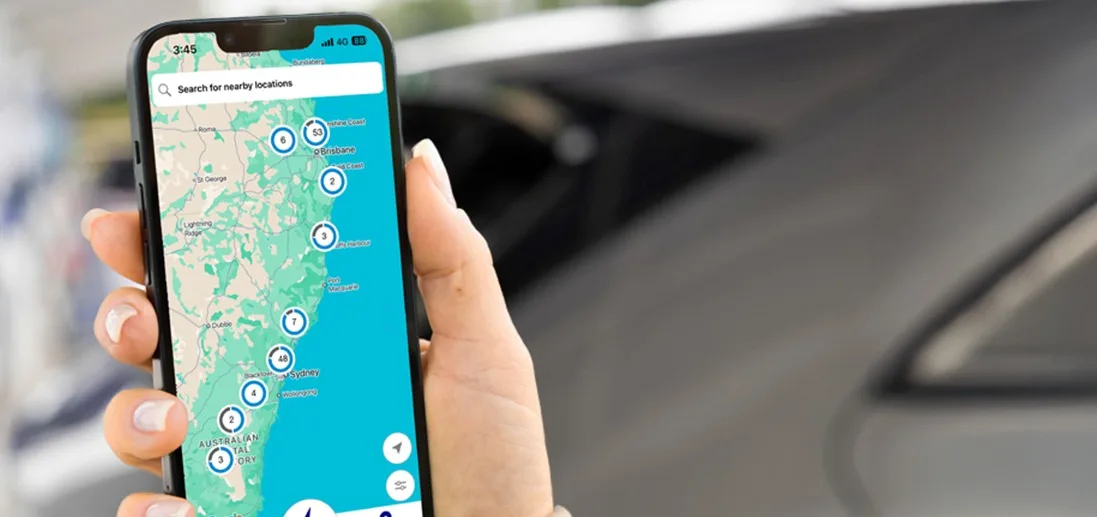
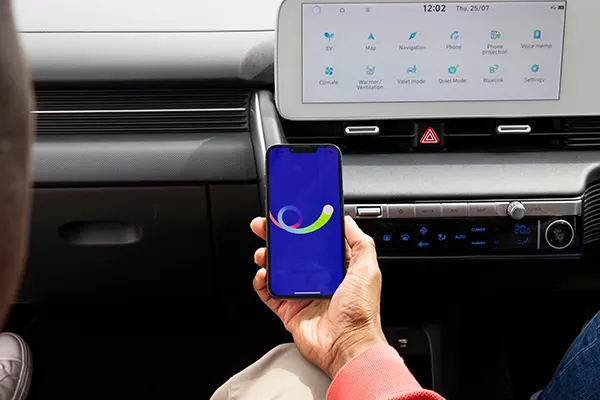
The bp pulse app can help you:
Locate nearby chargers.
Check real‑time availability.
Plan routes with charging stops built in.
While running an EV down to 0% can happen, it is uncommon. Modern vehicles and Australia’s growing charging network can help drivers plan journeys with greater confidence.